Articles

What Is a Neobank? How Digital Banks Rewired European Finance
A neobank is a branchless, app-first bank that rebuilt everyday banking around your phone — and Europe became its epicentre. Here's what actually makes a neobank, why the EU became fertile ground, and how Revolut, N26, and Monzo turned growth-at-all-costs into real profitability. A clear explainer on digital banks, licences, and where the model goes next.

European Local Payment Methods Explained: iDEAL, Bancontact, and the Rest
Over 60% of European e-commerce runs on local payment methods, not cards — and in the Netherlands and Nordics that passes 85%. A country-by-country guide to iDEAL, Bancontact, BLIK, Swish, and Bizum, plus how Wero is trying to unify them. Essential reading for any merchant selling across Europe.

The Biggest Fintech Funding Rounds in Europe: How the Industry Moved From Growth-at-All-Costs to Infrastructure and Profitability
The biggest fintech funding rounds in Europe tell the story of a market that grew up: from growth-at-all-costs equity to secondaries, debt, and IPOs. Real numbers on Klarna, Revolut ($75bn), Trade Republic, SumUp, Qonto, and N26, and why profitability now decides who raises.

European Fintech Startups to Watch in 2026: The Next Wave Is Building Invisible Financial Infrastructure
The next wave of European fintech startups is being built in the infrastructure layer — AI compliance, embedded finance, payments, and B2B banking rather than another banking app. Here's where the real opportunities are heading in 2026, and the companies quietly powering them.

Europe's Fintech Unicorns Show a Different Path Than Silicon Valley: Payments, Infrastructure, Compliance, and Vertical Banking Dominate
Europe's fintech unicorns didn't chase one giant consumer app — they built the payments, infrastructure, and vertical banking systems other companies now run on. A look at how Revolut, Checkout.com, Mollie, N26, Trade Republic, Qonto, and SumUp each took a different route to the top.
European Fintechs and Payment Fraud Trends: The New Security Layer Behind Digital Money
Payment fraud in Europe has gone behavioural, automated, and AI-driven — from authorised push payment scams to synthetic identities that slip past onboarding checks. How fintechs are rebuilding fraud prevention as real-time infrastructure, and where Feedzai, SEON, Featurespace, and Sift fit in.

AMLR Timelines and European Fintechs: The Compliance Shift That Will Redraw Digital Finance
The EU's Anti-Money Laundering Regulation (AMLR) takes effect around 2027, turning compliance from a back-office cost into core fintech infrastructure. What AMLR, AMLA, and MiCA mean for onboarding, monitoring, and the RegTech firms building the tools — and why 2027 is closer than it looks.
Best Embedded Finance Platforms in Europe
The best embedded finance platforms in Europe let any company offer accounts, cards, and lending without becoming a bank. A breakdown of Solaris, Swan, Treezor, Modulr, ClearBank, Banking Circle, and Mangopay — and who each one is actually built for.
Best Payment Orchestration Platforms in Europe (2026)
Payment orchestration platforms sit above your processors to optimise routing, lift acceptance rates, and cut reliance on a single provider. A guide to the leading European players — Primer, IXOPAY, BR-DGE, Spreedly, Gr4vy, and CellPoint Digital — and which one fits your business.
Adyen vs Mollie: Which Payment Platform Fits Your Business?
Adyen vs Mollie comes down to one question: do you need global payment infrastructure, or simple, fast payment acceptance? A practical comparison of pricing, features, and use cases to help you pick the right Dutch payments platform.

Best Banking-as-a-Service Providers in Europe
The best Banking-as-a-Service providers in Europe aren't the ones with the slickest API — they're the ones with the right licence, regulatory model, and fit for your use case. Comparing Solaris, ClearBank, Swan, Treezor, Griffin, and Modulr across the UK and EU.

Best Sanctions Screening Tools
A good sanctions screening tool does more than return "match" or "no match" — it gives enough context to tell a real hit from a false positive, in real time and on an ongoing basis. A practical comparison of ComplyAdvantage, LSEG World-Check, Dow Jones, LexisNexis, and OpenSanctions for fintechs and regulated businesses.

Best Fraud Detection APIs for Fintech
The best fraud detection APIs for fintech catch account takeover, payment fraud, scams, and synthetic identities in real time — without burying your team in false positives. A breakdown of Feedzai, SEON, Featurespace, Sift, and Sardine, and which one fits your stage and risk profile.

Best AML Screening Providers Europe: A Practical Guide for Fintechs and Regulated Businesses
The best AML screening providers in Europe aren't the ones with the most names in a database — they're the ones with the matching accuracy, adverse media quality, and audit trails to keep false positives down. A practical guide to ComplyAdvantage, LSEG World-Check, Dow Jones, LexisNexis, and Moody's for fintechs and regulated businesses.

Best Open Banking APIs in Europe (2026)
Best Payment APIs in Europe for Developers & SaaS (2026)

Stripe Alternatives Europe: Best Payment Providers for European Businesses
The European payments market is different from the US market. Cards matter, but they are not the whole story.

What the Fastest-Growing Categories Say About European Fintech
A young fintech ecosystem loves front-end innovation. A mature fintech ecosystem starts caring about infrastructure.

What Is RegTech? A European Fintech Guide
More digital finance creates more regulatory proof.

What Are the Biggest Fintech Companies in Europe?
The major fintech employers in Europe are no longer just trying to beat banks at apps.

Which European Cities Have the Best Fintech Job Markets?
The best fintech cities are the ones where those skills can compound.

The AI Compliance Problem Fintech Cannot Avoid
The most dangerous AI systems in fintech may not be the dramatic ones. They may be the boring ones.

The European SME Finance Gap: Why Fintech Lenders Still Matter
The future is probably hybrid.

The Netherlands as a Fintech Infrastructure Hub
The Netherlands does not always look like Europe’s loudest fintech market. It is not London with its capital markets gravity, Paris with its state-backed startup theatre, or Berlin with its chaotic founder mythology.
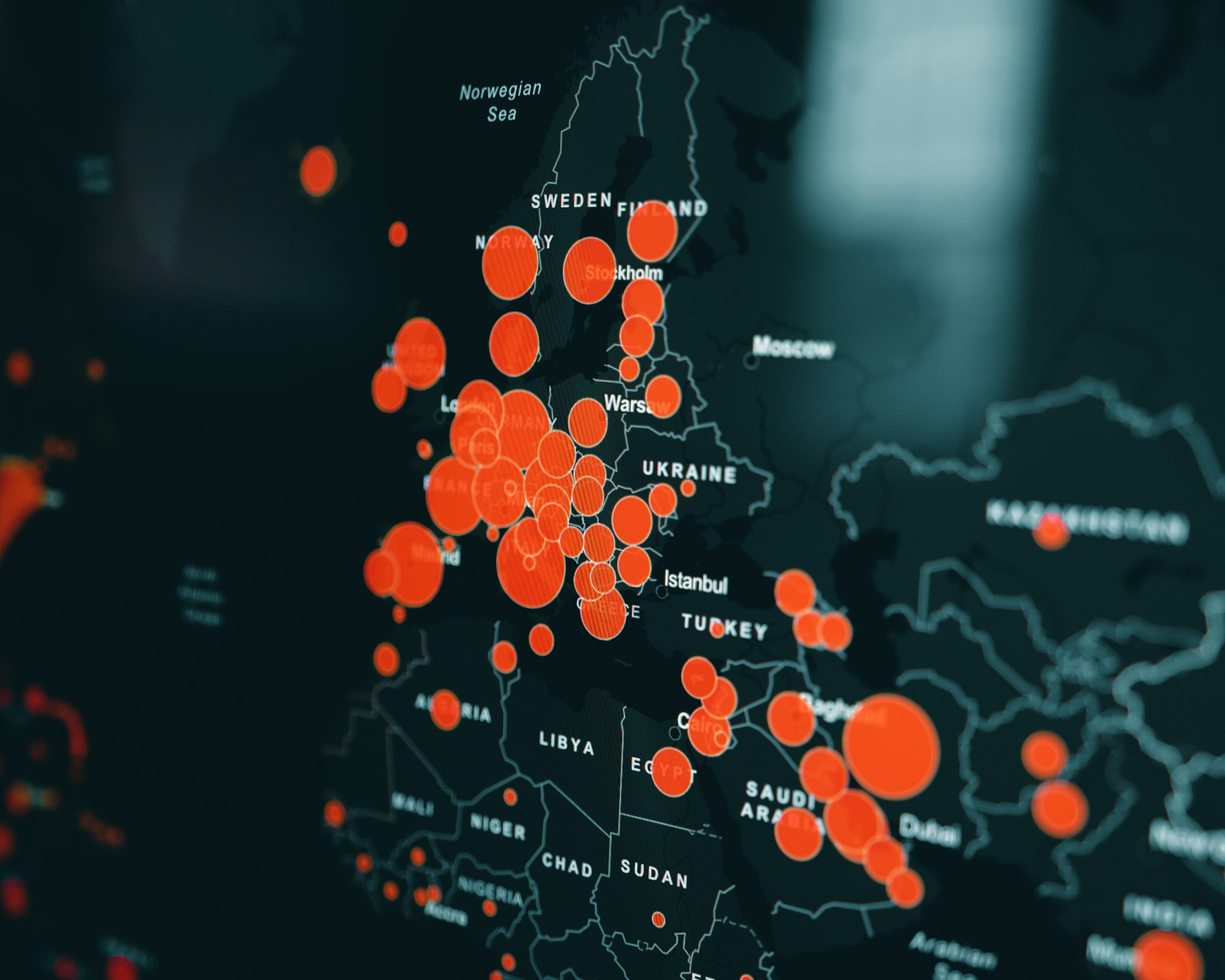
Why Financial Infrastructure Is Becoming Europe’s Most Interesting Fintech Category
The most interesting fintech companies in Europe are not always the ones with the loudest apps. Sometimes they are the ones you never see.
The Instant Payments Race: Why Europe Wants Money to Move in Seconds
Money used to move like paperwork. You sent it, waited for it, checked again later, and hoped the system was doing something useful in the background.

Open Finance After Open Banking: What FiDA Could Change in Europe
Banking used to mean branches and paperwork. Then it became an app, a card, a notification, a spending chart, a salary arriving at midnight, a rent payment leaving too quickly, and a quiet little panic every time your balance dropped below what you expected.

DACH: Europe’s Fintech Stress Test
Europe has many fintech markets. DACH is where fintech ideas go to prove they can handle pressure.

What European Fintechs Have in Common
European fintech is not one single scene. It is London scale, Berlin experimentation, Amsterdam infrastructure, Baltic efficiency, French ambition, Nordic discipline, and Southern European pragmatism. Different markets, different cultures, different regulatory habits. But underneath the variety, most European fintechs share a surprisingly similar direction.

Spain and Portugal’s Fintech Scene
Fintech in Europe often gravitates toward the usual centers—London, Berlin, Amsterdam. Spain and Portugal sit slightly outside that spotlight. Not disconnected, but quieter, with fewer headlines and a different pace. That pace, however, is beginning to shift. What’s emerging across the Iberian Peninsula is not a sudden surge, but a steady build that reflects a more grounded approach to financial innovation.
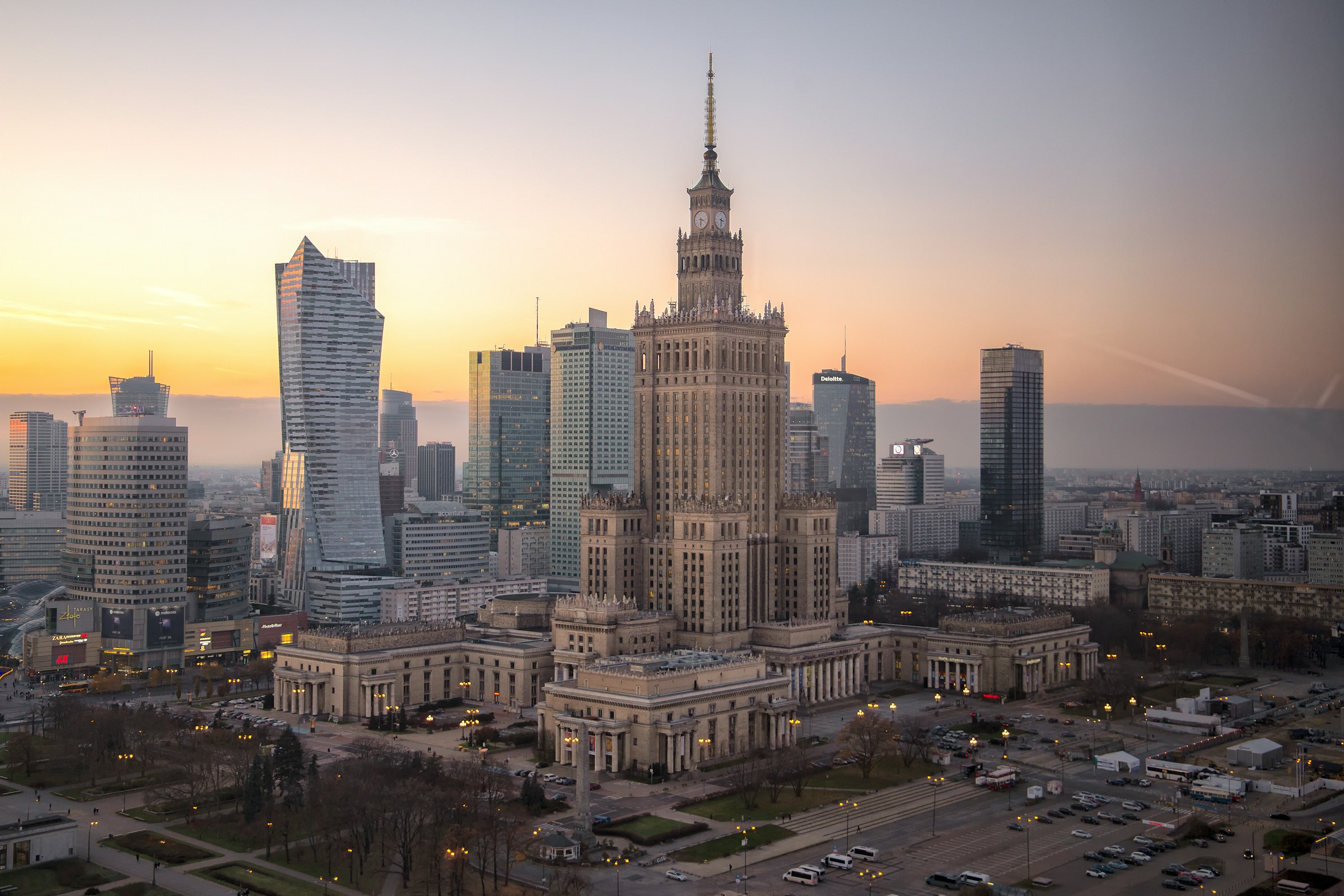
The Eastern Europe Fintech Scene
Fintech used to follow capital. London, Berlin, and a handful of familiar hubs dominated the conversation, while Eastern Europe sat slightly outside that map—close enough to feel the shift, but not always part of the narrative. That has changed. What’s emerging across Eastern Europe isn’t a copy of Western fintech, but something more pragmatic, built with fewer resources, less hype, and often a sharper focus on solving real problems from the start.
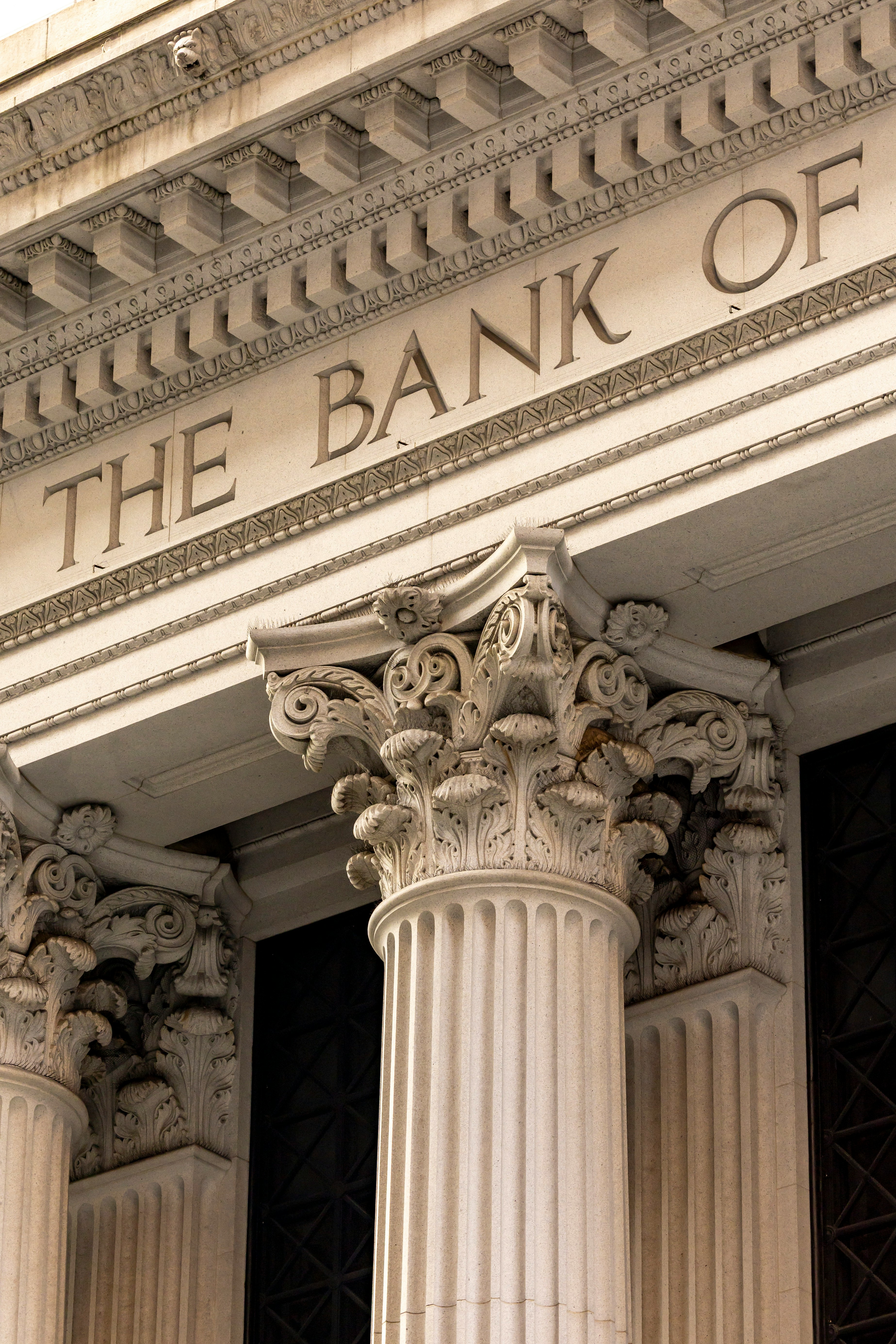
KYC Fintechs in Europe
Opening a bank account used to mean paperwork, appointments, and waiting. Identity was something you proved slowly, often in person, and usually more than once. Now it happens in minutes—sometimes seconds—through a screen. That shift feels simple on the surface, but it’s built on a layer of technology that most users never see.

Compliance Challenges in European Fintech
Fintech moves fast, while regulation moves carefully. Somewhere between those two speeds, most European fintech companies are forced to build not just products, but systems that can withstand constant scrutiny. Compliance isn’t a side function here—it’s part of the foundation.

Fintech Hubs in Europe: London, Berlin, Amsterdam
Fintech doesn’t grow in isolation. It clusters. Around talent, capital, regulation, and a certain kind of ambition that only shows up in the right cities.

How to Start a Fintech Company in Europe
Startups used to begin with an idea and a pitch deck. In fintech, they start with a harder question: can you be trusted with someone else’s money? That question sits underneath everything—product, design, growth—and it doesn’t go away once you launch.

Art Investment, Rewritten by European Fintech
Art used to belong to rooms you couldn’t enter. White walls, quiet auctions, and price tags that felt deliberately out of reach. Now it’s starting to live on your phone.

PSD2 Explained for Beginners
Banking used to be closed by default. Your money sat in one place, and everything around it moved slowly, carefully, and mostly out of reach. PSD2 changed that—quietly, but permanently.

European Fintech Trends 2026
Finance used to feel distant. Slow. Locked behind institutions that spoke their own language. Now it’s everywhere—quietly embedded in the apps, platforms, and habits that shape daily life.

One App, Multiple Wallets: Blackcat Is Rethinking How Your Money Is Organised
Most banking apps still treat your finances like a single account with layers on top. Budgets, categories, sub-accounts—it’s all built around one core balance. Blackcat is taking a different route. With the launch of its rebuilt mobile app, the company is moving toward something closer to a financial operating system—where your money isn’t just managed, but structured.

Europe’s Fastest Fintech Launchpad? Lithuania Is Making a Strong Case
For years, fintech founders looking to enter Europe defaulted to places like London or Berlin. But a quieter contender has been gaining ground—and doing it faster.

The New Banks in Your Pocket: N26, Revolut, and Openbank
Banking used to mean paperwork, queues, and opening hours that never quite worked for you. Now it lives on your phone—and a handful of apps are competing to own that space.