Europe has many fintech markets. DACH is where fintech ideas go to prove they can handle pressure.
The name sounds technical, almost like something from a consulting slide. DACH simply refers to Germany, Austria, and Switzerland: D for Deutschland, A for Austria, and CH for Switzerland. Three countries, one region, and one of the most important tests for any fintech company serious about Europe.
DACH matters because it combines wealth, regulation, banking culture, and consumer caution in a way few regions do. It is not the easiest market to enter. That is exactly why it matters.
Germany is the anchor. Large, industrial, export-driven, and deeply structured, it offers fintech companies access to one of Europe’s biggest economies. But Germany is not a market that rewards vague promises. Users expect reliability. Regulators expect discipline. Banks remain deeply embedded in everyday financial life. If a fintech can win trust there, it has usually built something more than a polished app.
Austria plays a quieter role, but not an irrelevant one. It sits between Western and Central Europe, with a stable financial system and a consumer base that is digitally open but still cautious. For fintechs, Austria can work as a bridge market: smaller than Germany, more accessible in some ways, but still demanding enough to expose weak products.
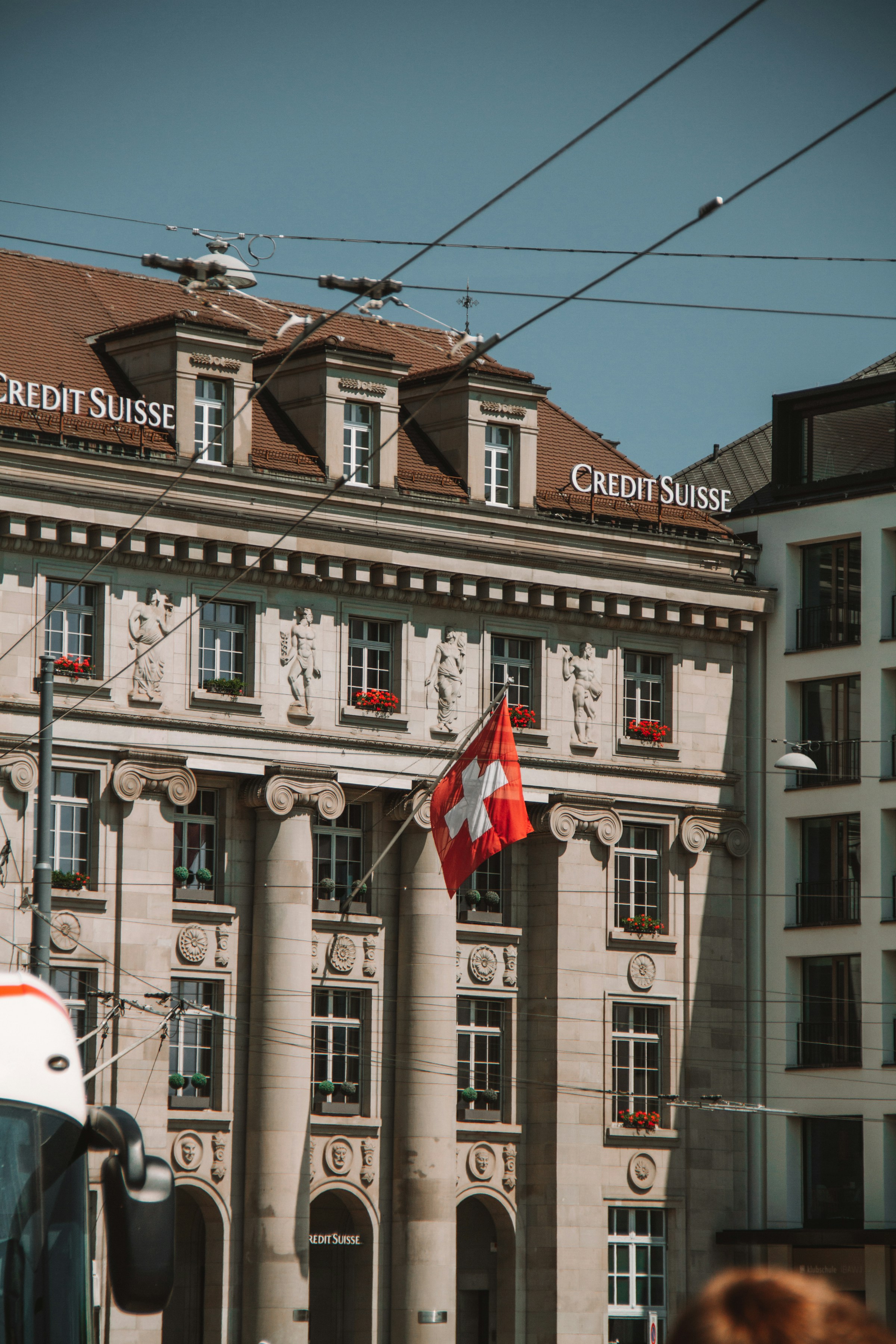
Switzerland is different again. Not part of the EU, but impossible to ignore. It brings wealth, private banking history, asset management culture, and a reputation for financial precision. Swiss fintech is shaped less by mass-market disruption and more by trust, wealth, security, and infrastructure. It is a market where credibility matters almost more than growth.
Together, these three countries form one of Europe’s most demanding fintech regions. DACH is not defined by hype. It is defined by expectations.
That makes it important for European fintechs because the region forces companies to mature. A product that spreads quickly in lighter, more experimental markets may struggle in DACH if it lacks trust, clarity, or compliance depth. Users are less likely to be impressed by speed alone. They want to know whether the product is safe, whether fees are clear, whether support works, and whether the company will still exist in five years.
This is why DACH often feels like a filter. It separates products that are merely convenient from products that are genuinely reliable.
For neobanks, DACH has been especially important. Germany gave Europe one of its most recognizable digital banking stories with N26, but it also showed how difficult scaling can become once regulators, risk controls, and operational pressure intensify. The lesson is simple: in DACH, design can win attention, but governance decides durability.
For payments companies, the region is equally attractive and complicated. Germany’s economy is built on commerce, manufacturing, exports, and SMEs. That creates huge demand for better payment infrastructure, invoicing, embedded finance, and cross-border tools. But local habits matter. Payment preferences, banking relationships, and business workflows can be slower to change than founders expect. A fintech cannot simply import a model and assume adoption will follow.
The same applies to wealthtech. DACH has money, but it also has a conservative investment culture. That makes the region attractive for platforms focused on ETFs, robo-advice, private markets, pensions, and alternative assets. But the positioning has to be careful. Loud promises rarely work. Trust, education, transparency, and long-term thinking matter more.
This is where DACH reveals something important about European fintech as a whole. The future is not just about making finance faster. It is about making finance feel dependable in digital form.
Many fintech companies want access to DACH because of its purchasing power. High-income consumers, strong SMEs, sophisticated investors, and large enterprise clients create serious commercial opportunity. But the region does not give that opportunity away cheaply. Customer acquisition can be expensive. Partnerships take time. Regulation is demanding. Brand trust is slow to build.
That slower pace can frustrate startups. It can also make them better.
DACH pushes fintechs to localize properly. Language matters. Tone matters. Compliance matters. Customer support matters. A casual English-first launch may work in Amsterdam or Berlin’s startup circles, but broader DACH adoption often requires deeper adaptation. Users want products that feel built for their market, not simply translated into it.
The region also matters because of its connection to the wider European economy. Germany’s role in manufacturing, Switzerland’s role in wealth and finance, and Austria’s position between markets make DACH strategically useful beyond its borders. Winning there can strengthen a fintech’s credibility with partners, investors, and enterprise clients across Europe.
There is also a psychological effect. A fintech that works in DACH sends a message: this product can handle complexity. It can operate under scrutiny. It can serve cautious users. It can adapt to markets where trust is earned slowly.
That message matters in European fintech, where regulation and reliability are part of the brand whether companies like it or not.
DACH is not Europe’s loudest fintech region. London has more scale. Berlin has more startup energy. Amsterdam has more infrastructure elegance. The Baltics move faster on digital government and licensing. Southern Europe brings cultural bridges and practical adoption.
But DACH has weight.
It is where fintech becomes less about early adopters and more about mainstream trust. Less about launching fast and more about lasting. Less about disruption as a slogan and more about operational credibility.
For European fintechs, DACH is important because it represents the hard version of the market. If you can build for Germany, Austria, and Switzerland, you are not just building for users who want convenience. You are building for users who need confidence.
And in finance, confidence is the product underneath every product.
Photo by Ingrid Martinussen on Unsplash