Country
Companies10 of 64
pockit.com
Pockit
pockit.com🇬🇧 United Kingdom
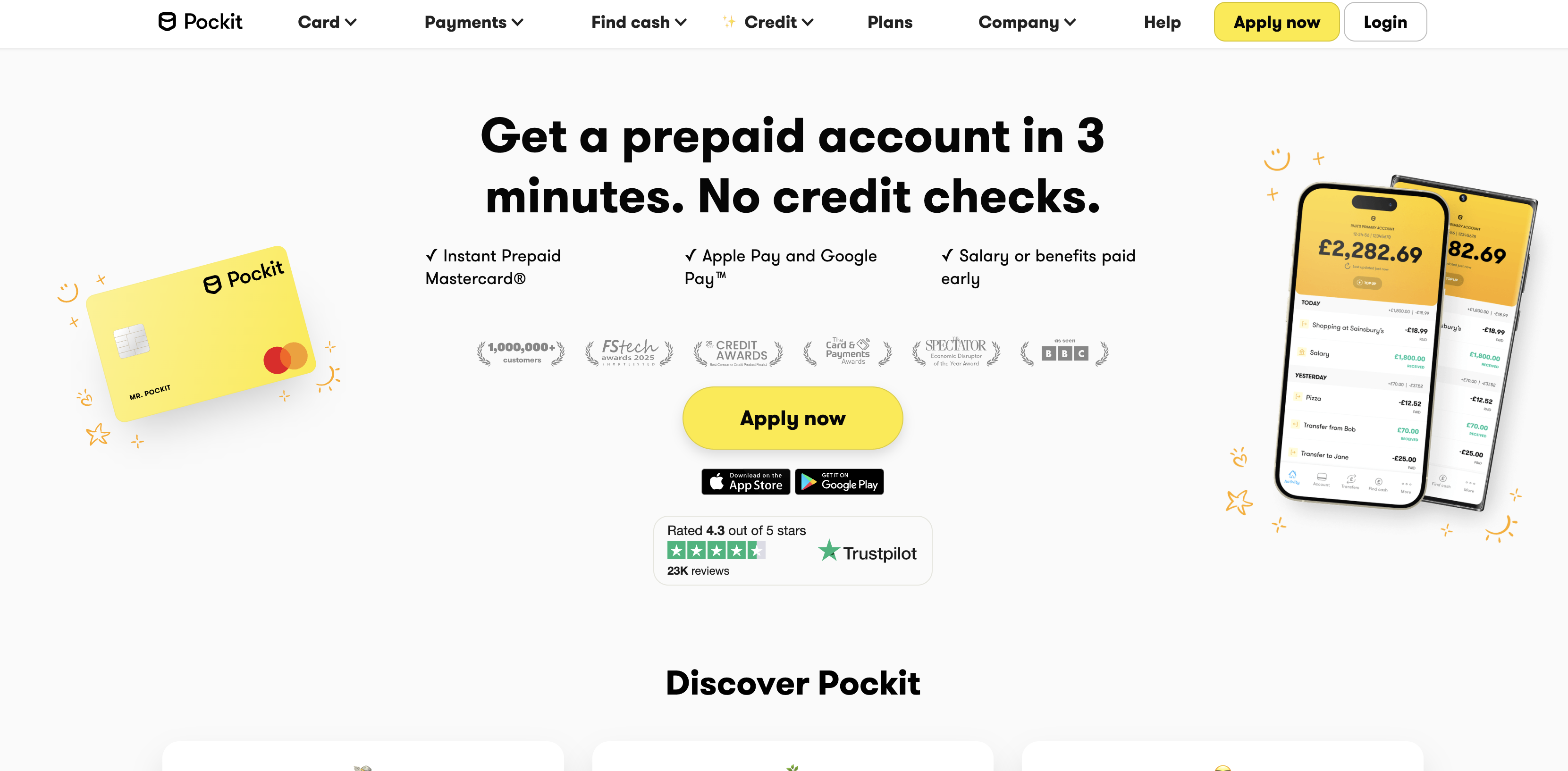
Pockit is a mobile-first financial platform designed for people who've been locked out of traditional banking. Rather than chasing the affluent, Pockit focuses on the underbanked—those without access to a current account, credit history, or the documentation banks demand. The app serves as a genuine alternative to brick-and-mortar banking, offering digital accounts, card payments, and money management tools entirely through your phone.
What sets Pockit apart is its commitment to financial inclusion without the gatekeeping. You don't need a credit score or payslip to open an account. Instead, the platform builds trust through usage patterns and behavioral data, creating pathways for people traditionally rejected by high street banks. This shifts the relationship from one of suspicion to one of genuine access.
The company operates across the UK and Europe, proving that underserved segments aren't just a niche—they're a substantial market. Pockit's mission is radical in its simplicity: banking shouldn't require jumping through hoops or having the right background. It's a challenger in the truest sense, not because it offers flashy features, but because it solves a real problem for millions of people who simply want to participate in the financial system.
Categories
Digital BankingPersonal Finance
orangebank.fr
Orange Bank
orangebank.fr🇫🇷 France
Orange Bank is France's straightforward answer to digital banking, born from the telecom giant Orange's pivot into retail finance. Rather than reinventing the wheel with flashy features, it focuses on delivering genuine utility: competitive savings rates, no-fee accounts, and a mobile experience that feels native to French users who already trust Orange's infrastructure. The brand trades on Orange's massive distribution reach and existing customer relationships, offering a credible alternative to both traditional banks and the newer neobank crowd. Where many challenger banks chase viral growth, Orange Bank plays the long game—leveraging a parent company with real retail presence across France. It's banking designed for people who want simplicity without sacrificing control: straightforward pricing, transparent terms, and the backing of one of Europe's largest telecoms. In the European digital banking landscape, Orange Bank represents a hybrid model: the scale and trust of an incumbent, the agility and user focus of a challenger. It proves you don't need to be born digital to compete in digital—you just need to execute without the legacy baggage.
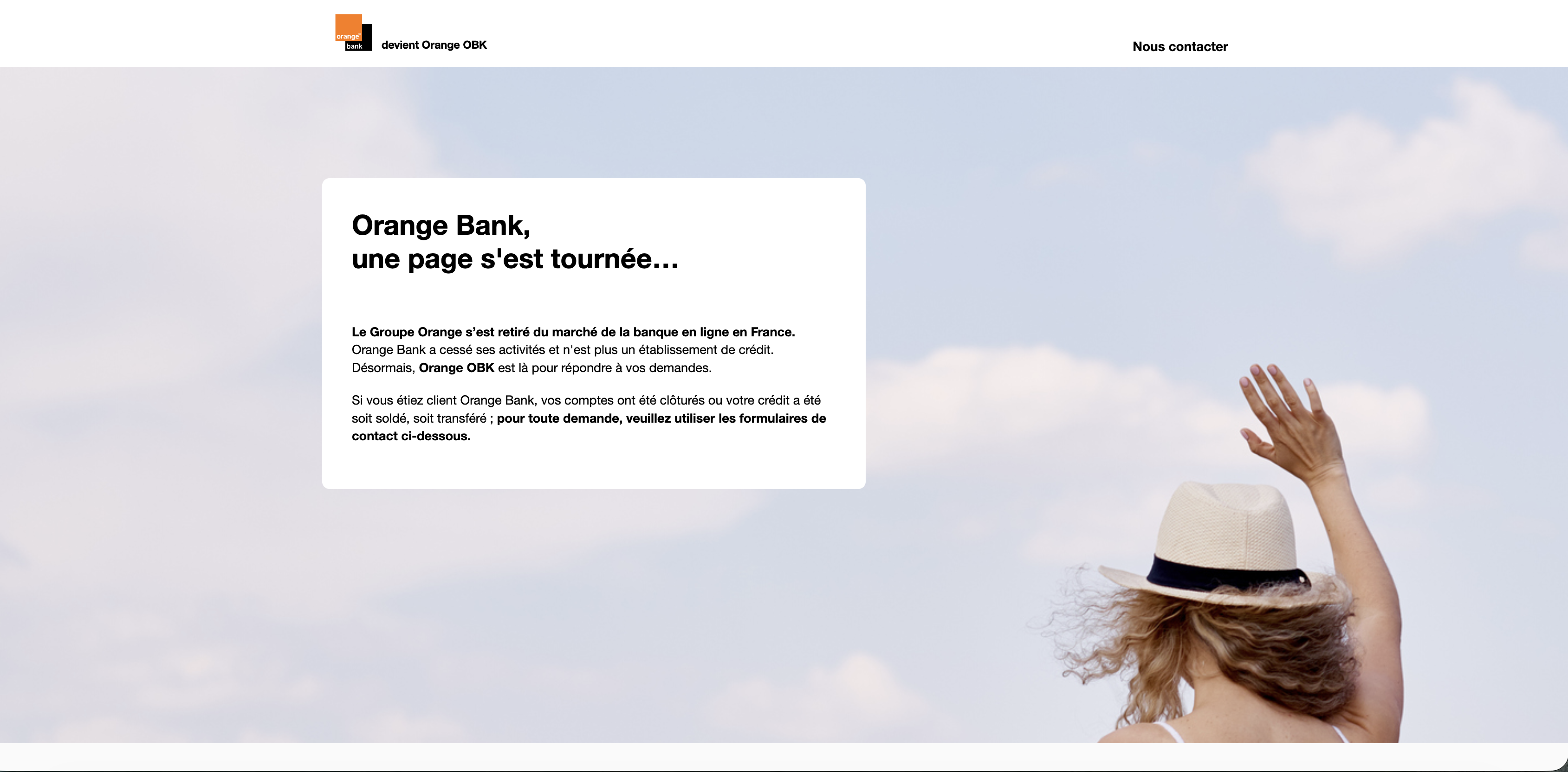
But execution, as it turned out, was precisely where the story became more complicated. Despite its strong foundations, Orange Bank struggled to achieve the scale and profitability needed to justify its ambitions. Customer acquisition proved slower and more expensive than expected, and the competitive pressure from nimble fintech players—and increasingly digitized traditional banks—tightened margins. What was meant to be a steady, long-term play began to look like a costly experiment.
Eventually, Orange made the pragmatic decision to step back. The bank began winding down its retail operations, marking a quiet end to a bold attempt at convergence between telecom and finance. For customers, the impact was managed and orderly. For the industry, however, it served as a clear signal: brand trust and distribution alone are not enough to win in digital banking.
The lesson from Orange Bank isn’t that incumbents can’t innovate—it’s that entering financial services requires more than adjacency and scale. It demands relentless focus, deep specialization, and a willingness to compete in a space where margins are thin and expectations are high. Orange Bank showed what’s possible when a non-bank enters finance—but also highlighted just how hard it is to stay there.
Categories
Digital Banking
indy.fr
Indy
indy.fr🇫🇷 France
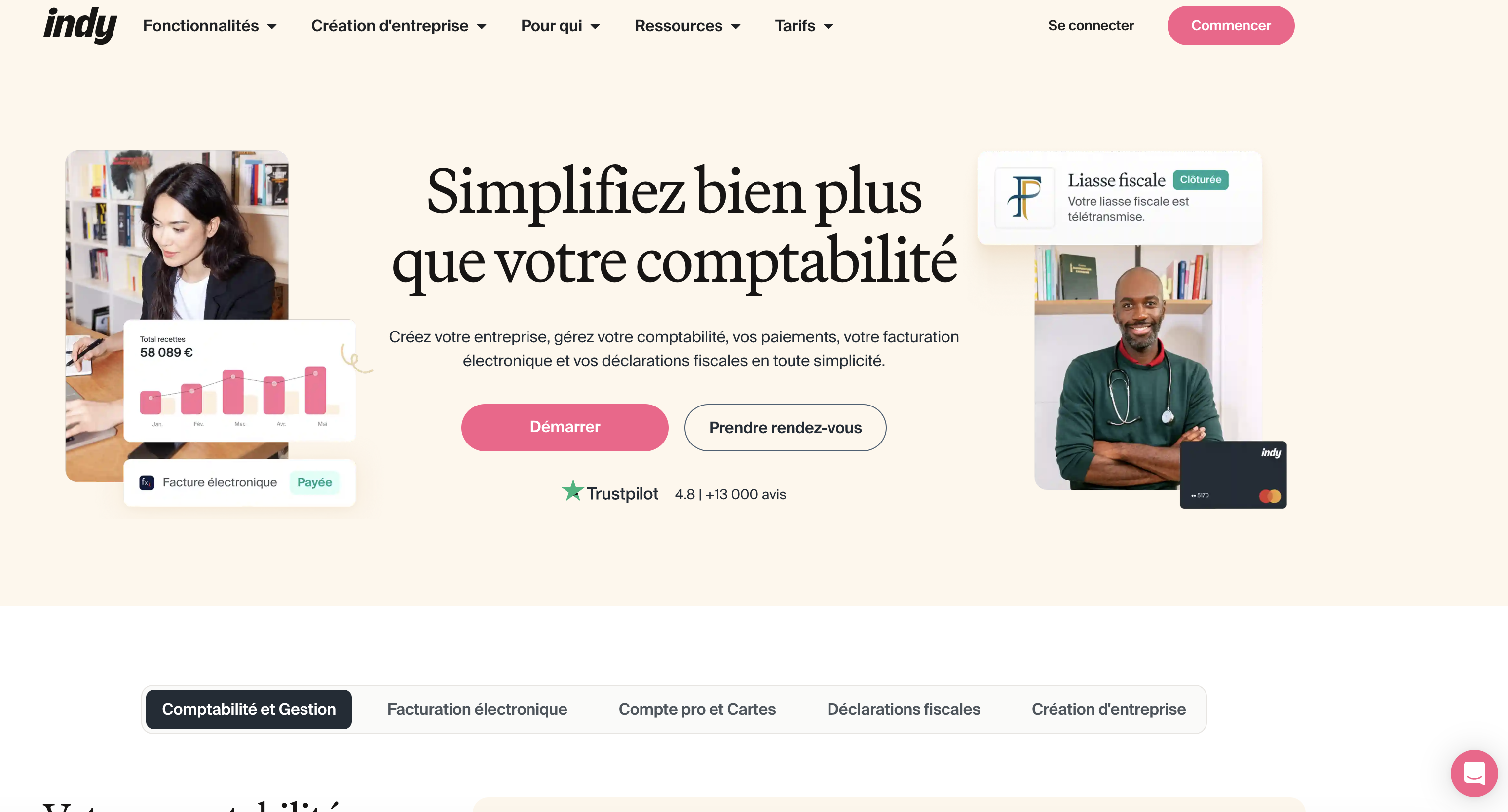
Indy is a French fintech built for freelancers and self-employed workers who are tired of juggling accounting software, invoicing tools, and bank dashboards across a dozen different apps. The platform consolidates business banking, invoicing, expense tracking, and tax compliance into a single workspace designed specifically for French independent professionals and micro-entrepreneurs.
Unlike traditional accounting software that feels built for accountants, Indy puts the solopreneur first—automating routine tasks like categorizing expenses and calculating quarterly tax estimates while keeping the interface clean and approachable.
The company has become a go-to solution across France for freelancers managing both the creative and administrative sides of their business, from photographers to consultants to digital agencies. It's one of Europe's clearest examples of how fintech can solve a specific, underserved market by building exactly what that market actually needs rather than trying to be everything to everyone. In a landscape crowded with generic SME finance platforms, Indy's laser focus on French self-employed workers—and their particular regulatory requirements and pain points—has established it as a cultural fixture in the French freelance community.
Categories
Digital BankingSME FinancePersonal Finance

unblu.com
Unblu
unblu.com🇨🇭 Switzerland
Unblu operates in the unglamorous but essential territory where financial services meet customer service—the moment a bank customer needs live help and picks up their phone instead of abandoning their application. Rather than building another chatbot, Unblu created a platform that lets banks embed co-browsing and real-time video conversations directly into their digital channels, turning web pages and apps into collaborative workspaces where advisors and customers can actually see what the other is doing.
The company targets financial institutions tired of losing conversions because their digital experiences feel abandoned. Unblu's platform sits between your app and your customer, enabling seamless handoffs from self-service to human guidance without the friction of traditional call centers. A user can be filling out a mortgage application, hit a question, and instantly video-call a specialist who sees their screen and can annotate, guide, and help in real time.
What distinguishes Unblu in the European fintech infrastructure space is its focus on regulated financial use cases. Banks don't need another Silicon Valley-style collaboration tool; they need compliance-first interactions that work within PSD2, open banking, and data protection frameworks. Unblu has embedded this rigor into its platform rather than bolting it on afterward.
The company serves a specific but high-value niche: banks and financial institutions that want to reduce abandonment rates, increase conversion, and do it through genuine human connection rather than algorithmic band-aids. In a landscape obsessed with APIs and automation, Unblu's bet is that sometimes the best digital experience is one that knows when to hand you a human.
Categories
Financial InfrastructureDigital Banking
nickel.eu
Nickel
nickel.eu🇫🇷 France
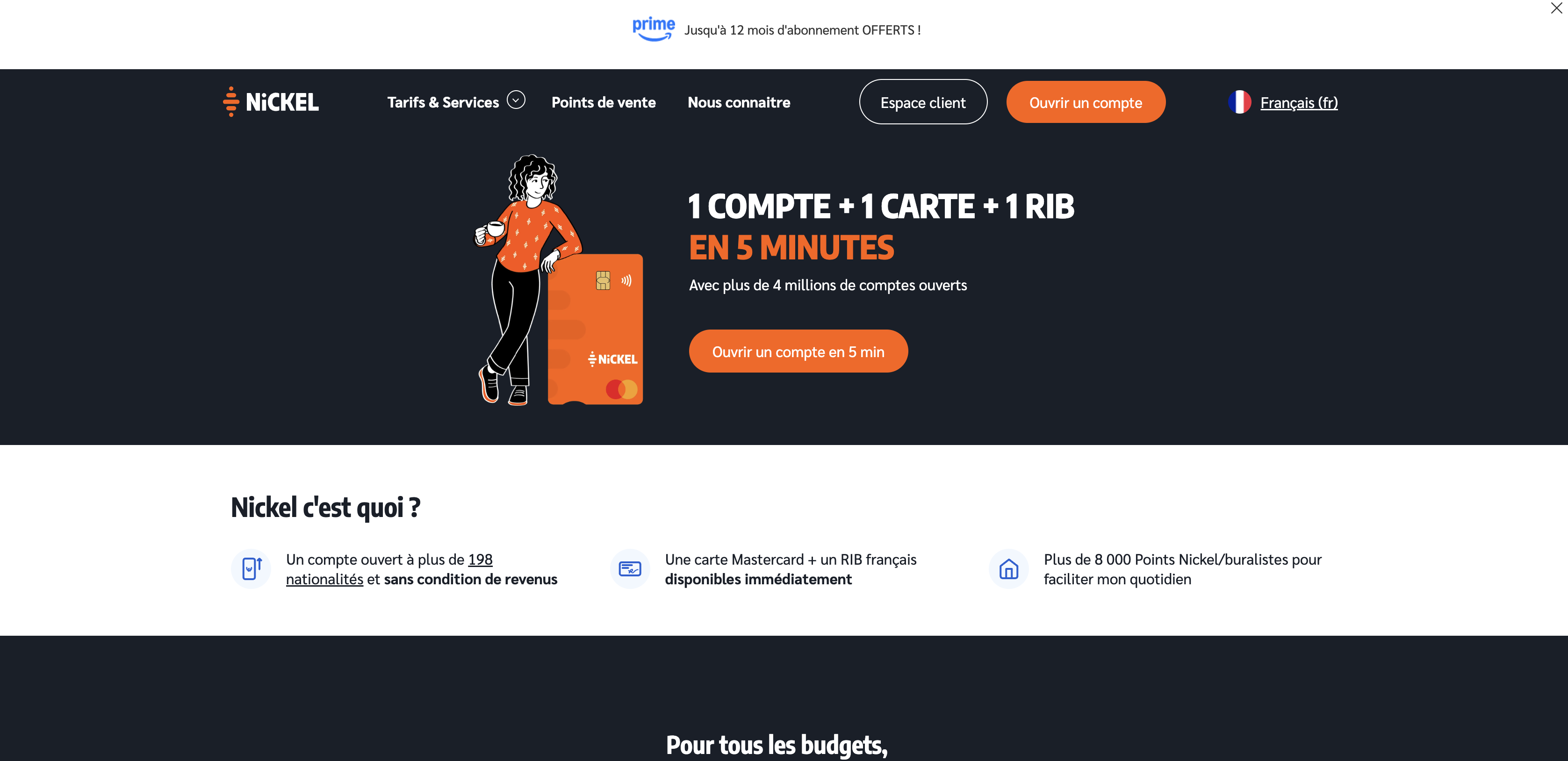
Nickel is a French-born neobank that treats banking as a public good rather than a premium service. It emerged in the early 2010s with a radical premise: everyone deserves access to basic financial tools, regardless of income or credit history. The platform offers no-frills digital accounts, card payments, and essential money management features at a fraction of traditional bank costs.
Unlike the gamified, feature-heavy challenger banks flooding the European market, Nickel stays deliberately minimal. Its appeal lies in straightforward functionality and transparency—no hidden fees, no algorithmic nudges toward credit products, no complexity. The company operates a hybrid model, partnering with physical retailers to provide account opening and cash services, which sets it apart from fully digital competitors.
In the crowded Western European neobank space, Nickel occupies a distinct position: it's inclusive by design, not by accident. While competitors target affluent early adopters with investment tools and lifestyle integrations, Nickel focuses on financial stability for underserved populations—students, gig workers, immigrants, and those excluded from traditional banking. This mission-driven approach has earned it a loyal user base and growing recognition as a serious alternative to incumbent banks.
Nickel represents a quietly powerful force in European fintech: proof that sustainable disruption doesn't require endless feature releases, just genuine accessibility and trust.
Categories
PaymentsDigital BankingPersonal Finance
revolut.com
Revolut
revolut.com🇱🇹 Lithuania
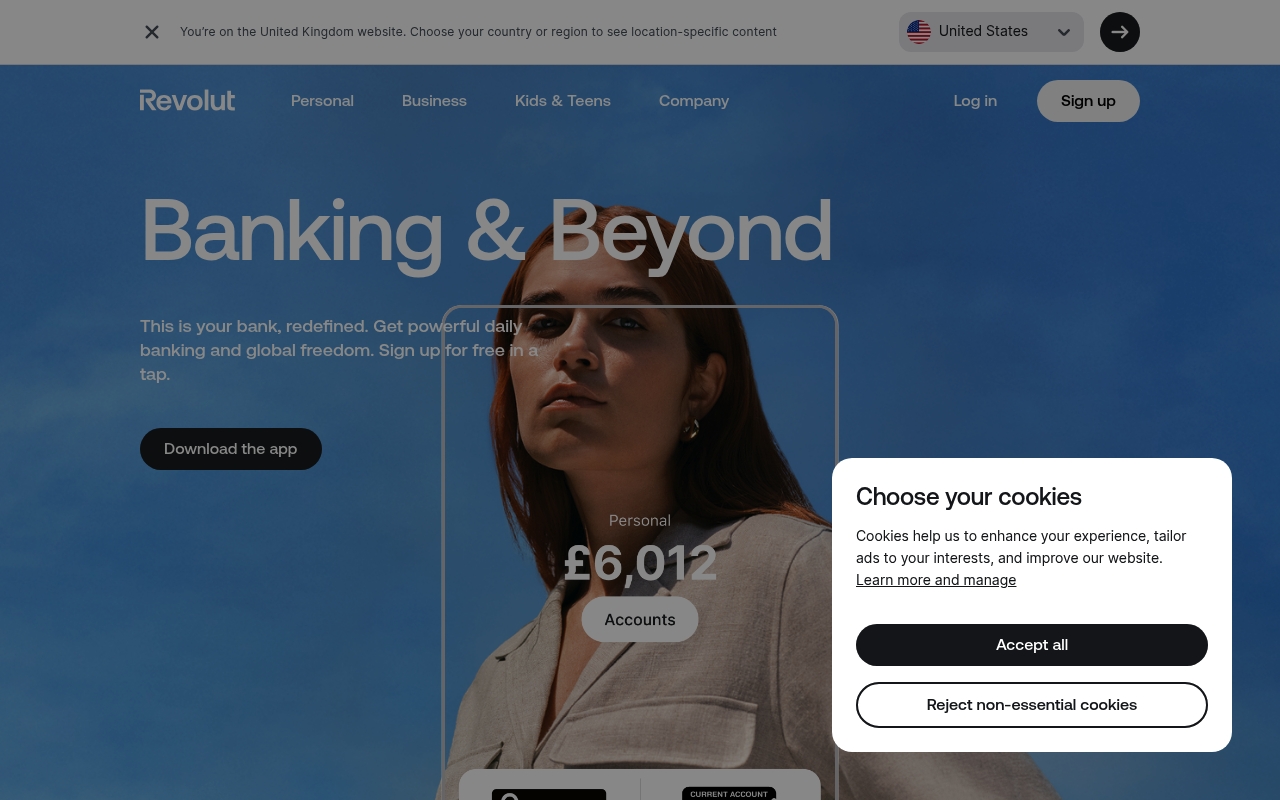
Revolut is a London-born mobile banking platform that turned the idea of a bank in your pocket into reality. It started as a borderless payments app and has evolved into something far more ambitious: a full-stack financial operating system for the smartphone generation. Most traditional banks still treat international transfers as a painful, expensive legacy process. Revolut made them free and instant.
The app combines a debit card, multi-currency accounts, cryptocurrency trading, insurance, and investment tools into a single interface. It's designed for people who spend time across borders, who think in multiple currencies, and who want their financial life streamlined into one place rather than scattered across apps. Founded in 2015, Revolut has grown into one of Europe's most recognizable fintech brands, with millions of active users across the continent. The company operates its own banking licenses in multiple jurisdictions, giving it the regulatory foundation to move fast where traditional banks move cautiously.
What sets Revolut apart is its refusal to accept friction as inevitable. Travel shouldn't require currency conversion fees. Payments shouldn't require knowing IBAN codes. Investing shouldn't require a separate broker account. In the broader fintech landscape, Revolut represents the shift toward unbundled, mobile-first financial services that challenge the notion that banking needs to be complicated.
Categories
Digital BankingPaymentsWealthCrypto & BlockchainPersonal Finance
mambu.com
Mambu
mambu.com🇩🇪 Germany
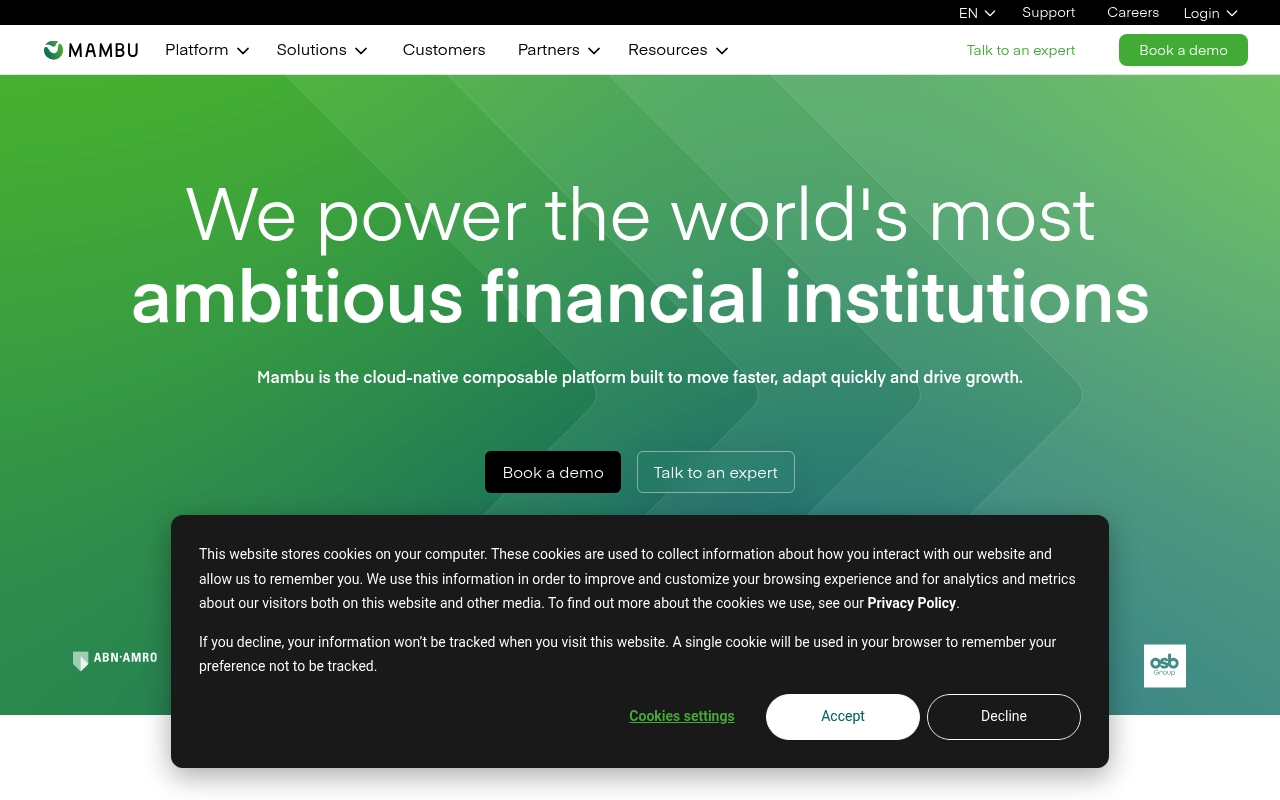
Mambu is a cloud-native banking software platform that lets financial institutions and fintechs launch and operate lending and deposit products without building from scratch. Rather than forcing customers into rigid legacy systems, Mambu provides composable banking infrastructure—modular APIs and pre-built components that work together or stand alone, depending on what you actually need.
The company sits at the intersection of two fintech realities: traditional banks are drowning in outdated core systems that can't keep pace with market demands, while new lenders and neobanks need speed without sacrificing compliance or scale. Mambu's approach is to be the operating system underneath, handling the heavy lifting of loan origination, deposit management, portfolio servicing, and regulatory reporting while letting clients focus on customer experience and product innovation.
What makes Mambu different from other core banking platforms is its emphasis on velocity. Institutions deploy in weeks rather than years. The platform is genuinely modular—you can pick the lending module, the deposit module, or both, and layer in third-party services through APIs. This flexibility has resonated with everyone from African microfinance networks to European challenger banks to enterprise lenders managing complex credit products.
Mambu is now a critical piece of infrastructure in the emerging markets fintech ecosystem, particularly across Africa and Asia, where it powers lending operations for hundreds of financial institutions. In Europe, it's carved out space among mid-market and challenger banks looking to avoid the capital expenditure and technical debt of legacy systems. The company represents a broader shift in fintech: away from end-to-end platforms that claim to do everything, toward specialized infrastructure that does one thing—backend financial operations—exceptionally well.
Categories
LendingDigital BankingFinancial Infrastructure
paysera.com
Paysera
paysera.com🇱🇹 Lithuania
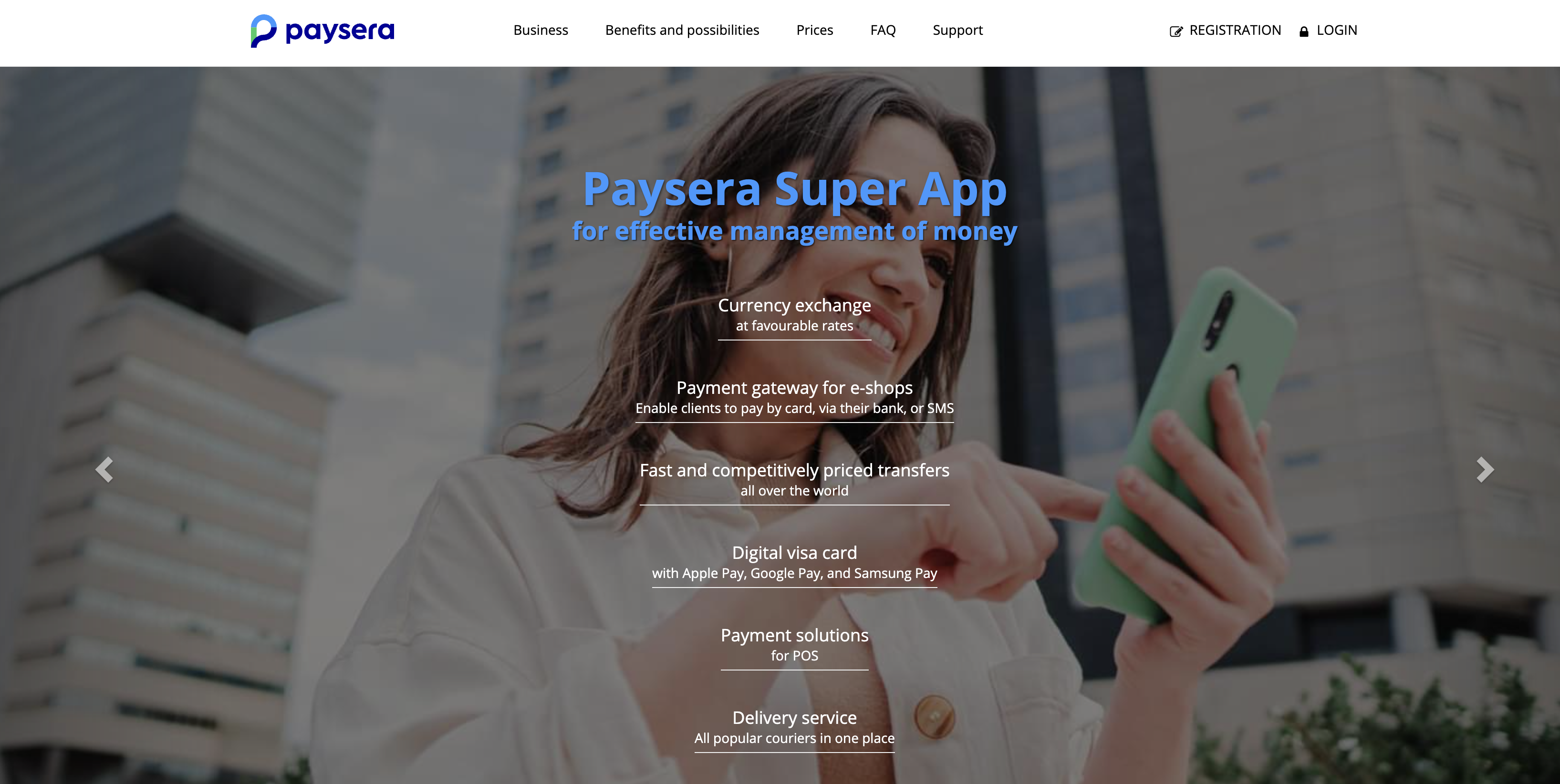
Paysera is a Lithuanian fintech company that has quietly built one of Europe's most comprehensive payment and banking platforms, serving millions of users across the continent. Rather than chasing hype, Paysera focuses on practical utility—combining payment processing, digital accounts, currency exchange, and invoicing tools into a single interface that works across borders and languages. The platform powers everything from freelancers managing invoices to SMEs handling payroll, while also offering consumer-facing services like multi-currency wallets and competitive exchange rates. What sets Paysera apart is its unglamorous pragmatism: it solves real friction in how Europeans move, spend, and manage money across different countries, without the startup theatrics. It's the kind of company that doesn't dominate headlines but has become indispensable infrastructure for a significant portion of the continent's digital economy. In the crowded European fintech landscape, where newer players chase consumer attention and legacy banks chase compliance, Paysera operates in the profitable middle—trusted by businesses and individuals who value reliability and cross-border simplicity over brand prestige.
Categories
Financial InfrastructurePaymentsDigital BankingSME Finance
monzo.com
Monzo
monzo.com🇬🇧 United Kingdom
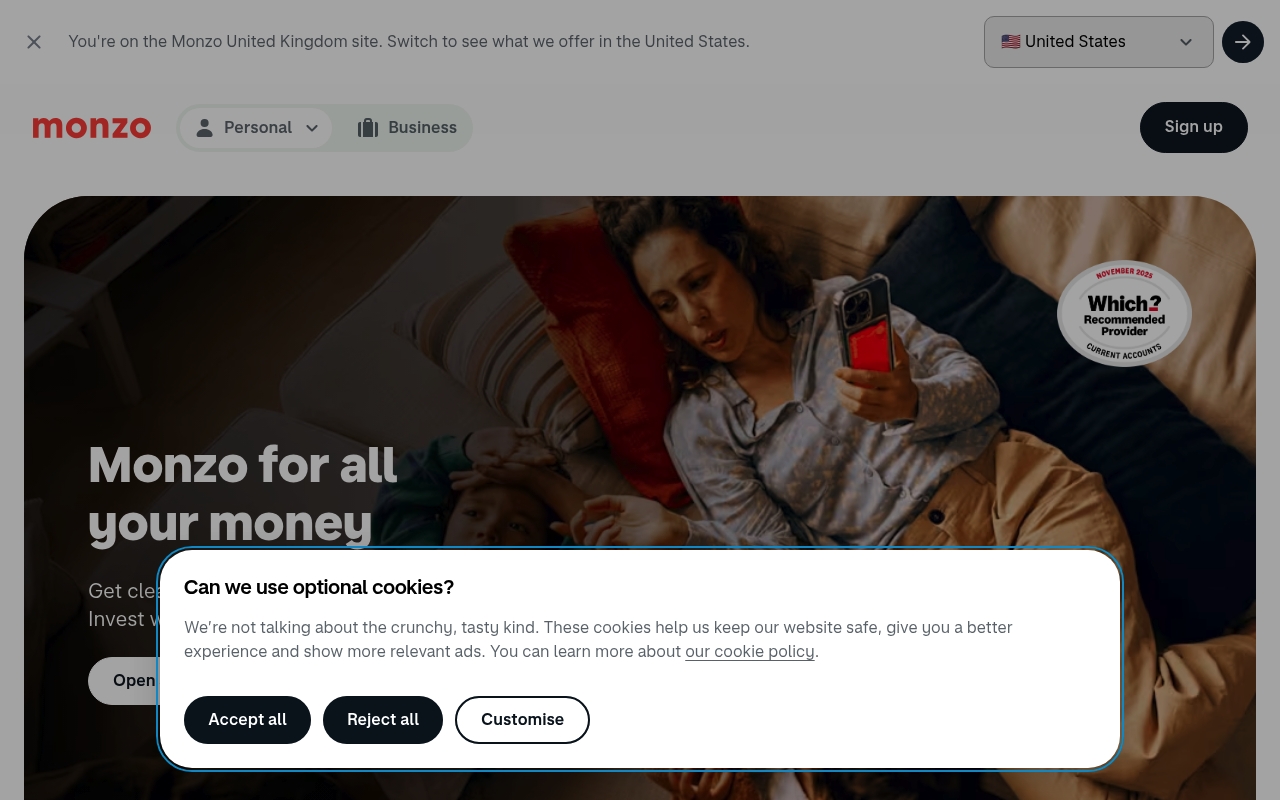
Monzo is the UK's most downloaded banking app, a fully-fledged digital bank that ditched the branch model entirely and made mobile-first banking feel inevitable rather than experimental. Since launching in 2015 as a prepaid card startup, it evolved into a licensed bank offering current accounts, savings, loans, and investment features—all built around the phone-first thesis that banking should feel less like finance and more like an everyday utility.
What sets Monzo apart in a crowded field of challenger banks is its obsession with transparency and user control. Transaction categorization happens automatically but lets you override it instantly. Spending insights arrive in real-time rather than monthly statements. Customer support happens via in-app chat with actual humans who have context on your account. There's no pretense, no hidden fees, no terms written in legalese—a deliberate stance against how traditional banking communicates.
In Europe's neobank landscape, where dozens of competitors offer slick apps and fast account opening, Monzo has maintained its edge through relentless product iteration and a zealous community of early users. It expanded beyond the UK into Europe, acquiring customer bases in France and Italy, though it remains most mature in its home market. The company went public on the London Stock Exchange in 2023, a rare fintech exit that validated the full-bank model over lighter-weight payment-only plays.
Monzo represents a particular type of fintech success: not a SaaS infrastructure play or a verticalized lending specialist, but rather a consumer-facing bank that proved the regulatory and operational complexity of holding a banking license was worth solving if you could deliver an experience genuinely better than incumbents. It's a reminder that sometimes the fintech opportunity isn't in unbundling banking, but in rebuilding it from first principles.
Categories
Digital BankingLendingWealthPersonal Finance
ebury.com
Ebury
ebury.com🇬🇧 United Kingdom
Ebury is a London-based fintech that's quietly become one of Europe's most ambitious cross-border payment platforms for small and mid-sized businesses. Built for founders and finance teams who spend too much time juggling currency conversions, hedging risk, and waiting days for international transfers, Ebury strips away the friction that traditional banks left behind.
The platform handles the full spectrum of what mid-market companies actually need: sending money across borders at better rates, managing foreign exchange exposure without needing a treasury team, collecting payments in dozens of currencies, and—increasingly—accessing working capital tied to those flows. It's not a flashy consumer app; it's infrastructure that makes international growth less exhausting.
Unlike the volume-chasing payment processors or the idealistic startups that oversimplified cross-border payments, Ebury positioned itself as the pragmatic middle ground. It embedded deep relationships with regional banks while building technology that works at scale. The company has expanded beyond its British roots into major European markets, growing a client base that ranges from e-commerce sellers to manufacturing firms that actually need sophisticated FX management, not just cheaper wires.
Ebury represents a maturing fintech category: the infrastructure play that's neither a bank nor a simple API, but rather a new kind of financial operating system for companies doing serious international business.
Categories
PaymentsDigital BankingTreasurySME Finance