Country
Companies10 of 101
mollie.com
Mollie
mollie.com🇳🇱 Netherlands
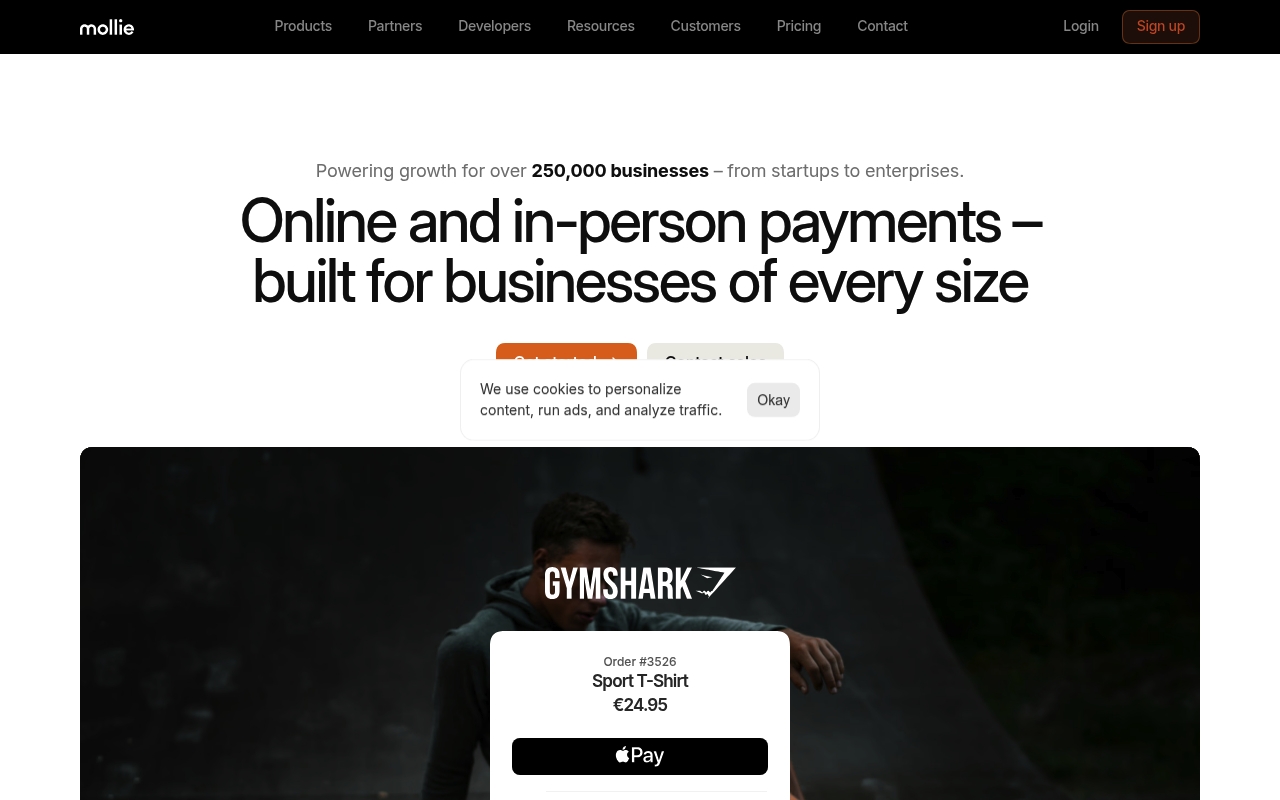
Mollie is a payment infrastructure company built for the internet age. Rather than forcing merchants through the byzantine setup process traditional payment processors demand, Mollie strips away the friction. You connect a few APIs, define your payment methods, and suddenly you're accepting everything from credit cards to local payment schemes across Europe—all without the operational headache of managing multiple provider relationships.
What sets Mollie apart is its uncompromising focus on developer experience. The company treats its payment platform the way SaaS companies treat their core products: with obsessive attention to documentation, dashboard clarity, and API elegance. Mollie handles the compliance complexity, the fraud monitoring, the settlement logistics. Merchants get a single pane of glass.
For a continent fragmented by payment preferences—iDEAL in the Netherlands, Bancontact in Belgium, SEPA everywhere—Mollie's multi-method approach feels essential rather than nice-to-have. The company works at the intersection of European e-commerce growth and the technical debt of legacy payment infrastructure, making it indispensable to thousands of online businesses that would rather build products than negotiate with acquiring banks.
Mollie has become something like the connective tissue of European payments: not as visible as the brands merchants serve, but embedded in the transaction flows of digital commerce across the continent.
Categories
Financial InfrastructurePayments
nickel.eu
Nickel
nickel.eu🇫🇷 France
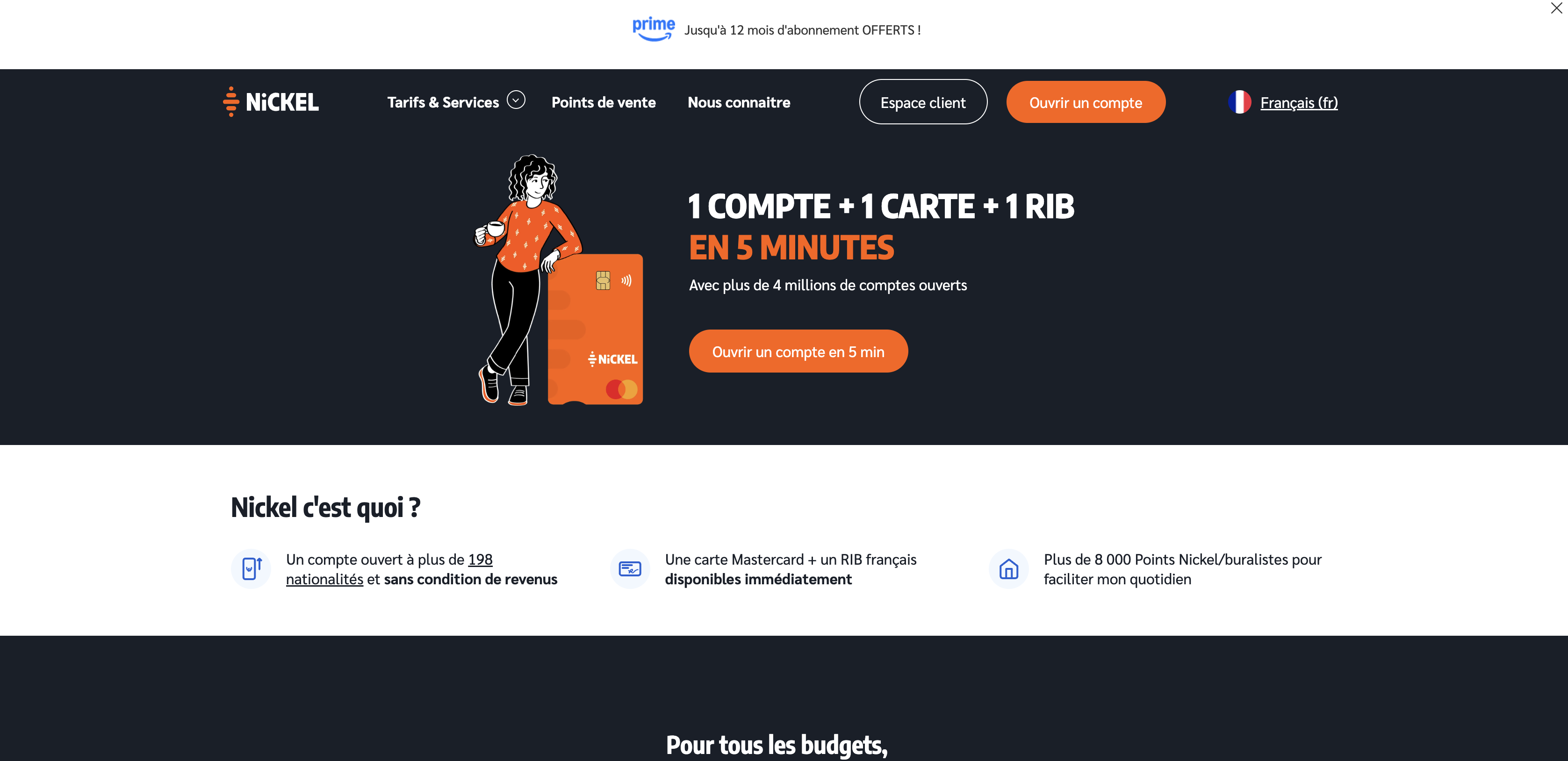
Nickel is a French-born neobank that treats banking as a public good rather than a premium service. It emerged in the early 2010s with a radical premise: everyone deserves access to basic financial tools, regardless of income or credit history. The platform offers no-frills digital accounts, card payments, and essential money management features at a fraction of traditional bank costs.
Unlike the gamified, feature-heavy challenger banks flooding the European market, Nickel stays deliberately minimal. Its appeal lies in straightforward functionality and transparency—no hidden fees, no algorithmic nudges toward credit products, no complexity. The company operates a hybrid model, partnering with physical retailers to provide account opening and cash services, which sets it apart from fully digital competitors.
In the crowded Western European neobank space, Nickel occupies a distinct position: it's inclusive by design, not by accident. While competitors target affluent early adopters with investment tools and lifestyle integrations, Nickel focuses on financial stability for underserved populations—students, gig workers, immigrants, and those excluded from traditional banking. This mission-driven approach has earned it a loyal user base and growing recognition as a serious alternative to incumbent banks.
Nickel represents a quietly powerful force in European fintech: proof that sustainable disruption doesn't require endless feature releases, just genuine accessibility and trust.
Categories
PaymentsDigital BankingPersonal Finance
revolut.com
Revolut
revolut.com🇱🇹 Lithuania
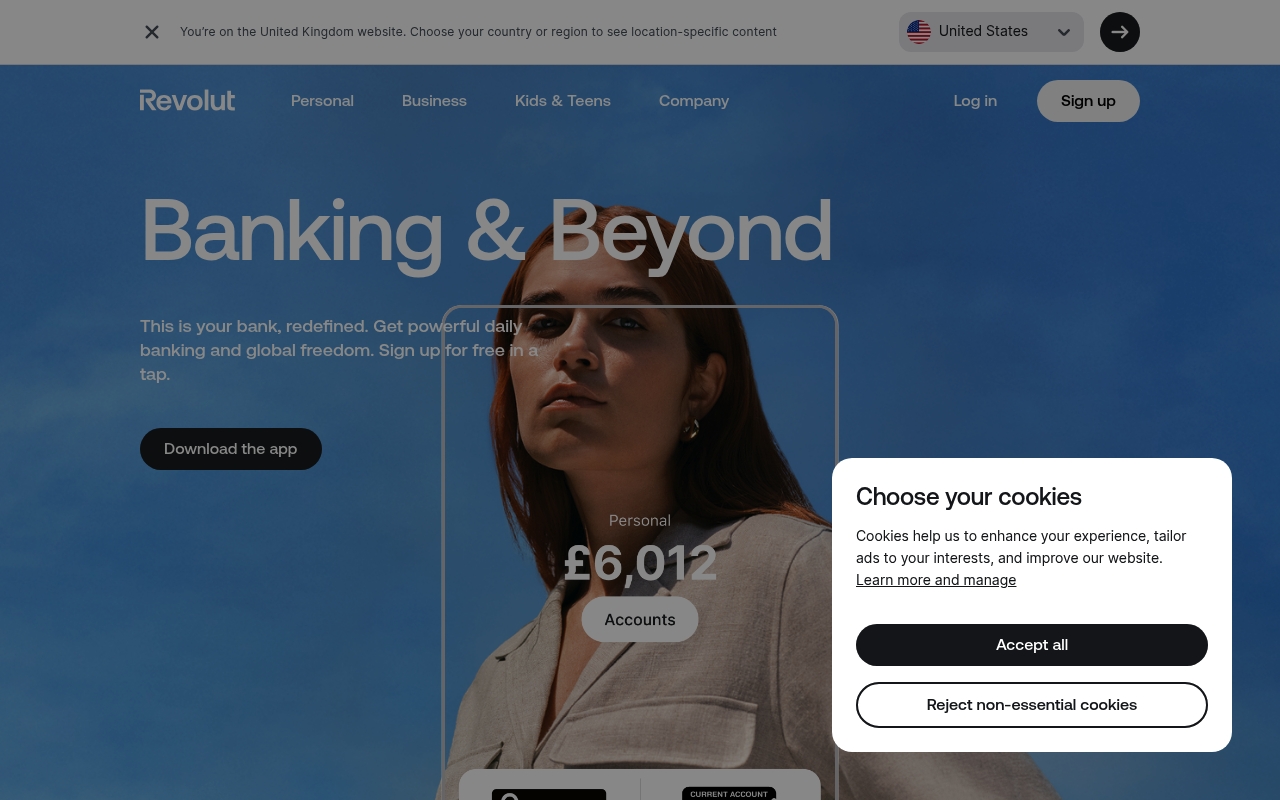
Revolut is a London-born mobile banking platform that turned the idea of a bank in your pocket into reality. It started as a borderless payments app and has evolved into something far more ambitious: a full-stack financial operating system for the smartphone generation. Most traditional banks still treat international transfers as a painful, expensive legacy process. Revolut made them free and instant.
The app combines a debit card, multi-currency accounts, cryptocurrency trading, insurance, and investment tools into a single interface. It's designed for people who spend time across borders, who think in multiple currencies, and who want their financial life streamlined into one place rather than scattered across apps. Founded in 2015, Revolut has grown into one of Europe's most recognizable fintech brands, with millions of active users across the continent. The company operates its own banking licenses in multiple jurisdictions, giving it the regulatory foundation to move fast where traditional banks move cautiously.
What sets Revolut apart is its refusal to accept friction as inevitable. Travel shouldn't require currency conversion fees. Payments shouldn't require knowing IBAN codes. Investing shouldn't require a separate broker account. In the broader fintech landscape, Revolut represents the shift toward unbundled, mobile-first financial services that challenge the notion that banking needs to be complicated.
Categories
WealthPaymentsDigital BankingCrypto & BlockchainPersonal Finance
payrexx.com
Payrexx
payrexx.com🇨🇭 Switzerland
Small businesses and nonprofits that need to accept online payments often find themselves caught between enterprise payment platforms that are more complex than they need and consumer tools that lack the business features they require. Payrexx was founded in Switzerland in 2015 to serve that underserved middle — organisations that need professional online payment capability without the integration complexity and pricing structures designed for large merchants. Its platform lets users create payment pages, donation forms, and checkout flows without writing code, connecting to a broad range of payment methods including Swiss-specific options like TWINT and PostFinance alongside international cards and digital wallets. The no-code approach is deliberate — Payrexx targets the Swiss and German-speaking market's large population of associations, small charities, and micro-businesses that have legitimate payment needs but limited technical resources. The platform has expanded across the DACH region, building a user base that values simplicity and local payment coverage over the advanced features that larger e-commerce platforms provide. In the European payments landscape, the no-code payment page segment is less discussed than the enterprise acquiring market but serves a numerically significant segment of organisations for whom payment acceptance should require less effort than it currently does.
Categories
Payments
paysera.com
Paysera
paysera.com🇱🇹 Lithuania
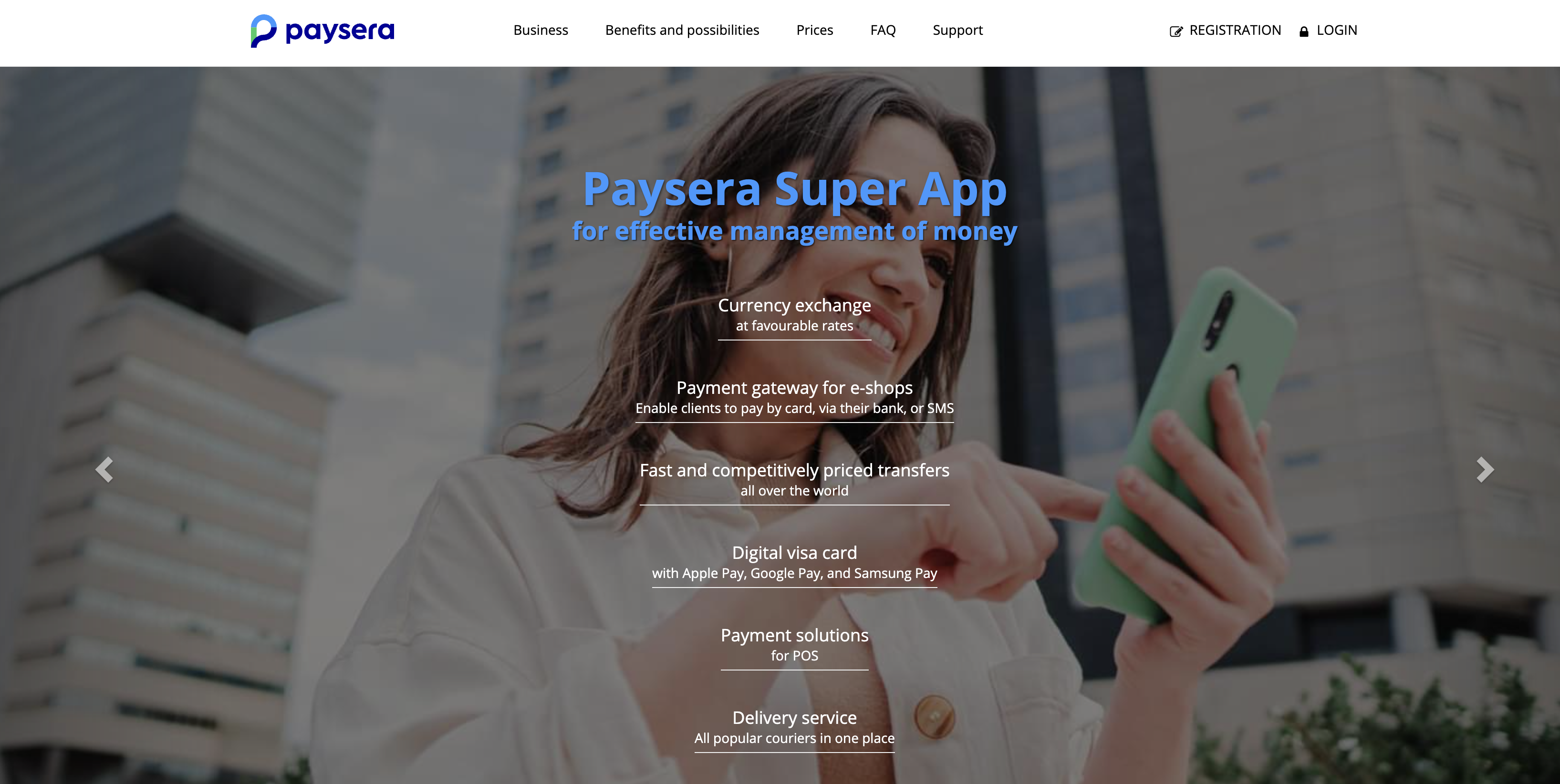
Paysera is a Lithuanian fintech company that has quietly built one of Europe's most comprehensive payment and banking platforms, serving millions of users across the continent. Rather than chasing hype, Paysera focuses on practical utility—combining payment processing, digital accounts, currency exchange, and invoicing tools into a single interface that works across borders and languages. The platform powers everything from freelancers managing invoices to SMEs handling payroll, while also offering consumer-facing services like multi-currency wallets and competitive exchange rates. What sets Paysera apart is its unglamorous pragmatism: it solves real friction in how Europeans move, spend, and manage money across different countries, without the startup theatrics. It's the kind of company that doesn't dominate headlines but has become indispensable infrastructure for a significant portion of the continent's digital economy. In the crowded European fintech landscape, where newer players chase consumer attention and legacy banks chase compliance, Paysera operates in the profitable middle—trusted by businesses and individuals who value reliability and cross-border simplicity over brand prestige.
Categories
Financial InfrastructurePaymentsDigital BankingSME Finance
credorax.com
Credorax
credorax.com🇲🇹 Malta
Credorax is a European payment processor that handles the unglamorous but critical work of moving money between merchants, banks, and card networks. Founded in Israel but operating across Europe, it powers payments for everyone from e-commerce platforms to subscription services, handling both the technical plumbing and the regulatory compliance that most merchants never see.
The company sits in the middle of the payments stack—acquiring transactions from merchants, processing them through card schemes, and settling funds back. It's B2B infrastructure, not consumer-facing, which means its success depends entirely on being reliable, fast, and trustworthy. Credorax handles high-risk merchants (gaming, adult content, nutraceuticals) that traditional acquirers often refuse, which is both its niche and its competitive moat.
What sets Credorax apart in the crowded European payments landscape is its willingness to serve segments that mainstream processors avoid. While Adyen and Stripe chase consumer-friendly merchant stories, Credorax has built real scale by solving actual problems for operators in overlooked verticals. It's less glamorous than fintech darlings but arguably more essential—the backbone rather than the interface.
The company represents a particular kind of European fintech success: unglamorous, B2B-focused, deeply regulated, and profitable. It's the kind of business that doesn't generate TechCrunch headlines but quietly processes billions in annual transaction volume.
Categories
Financial InfrastructurePayments
autopay.pl
Autopay
autopay.pl🇵🇱 Poland
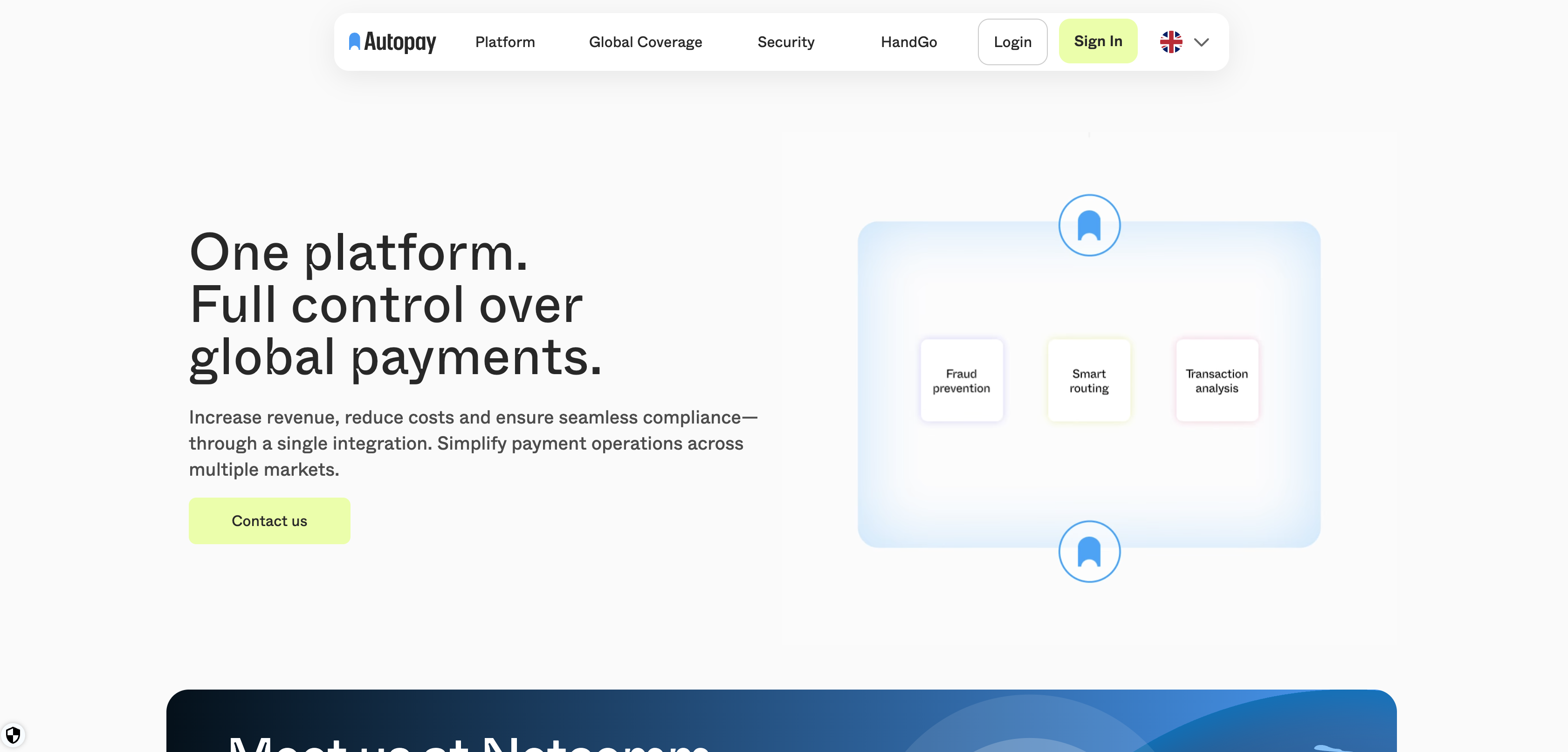
Autopay operates in Poland's fast-moving payments ecosystem as a fintech that has quietly become essential infrastructure for merchants who need more than just a gateway. Previously known as Blue Media, the company built its reputation over years as a trusted Polish payments operator before evolving into the Autopay brand. That history matters: Autopay is not a new entrant trying to break into the market, but an established infrastructure player with deep roots in Poland’s digital payments landscape.
The company processes transactions, manages payment flows, and provides the plumbing that lets businesses accept card payments without drowning in complexity or integration headaches.
What separates Autopay from the crowded Polish payments space is its focus on the mid-market merchant rather than chasing everyone at once. It builds for businesses that care about conversion rates, fraud management, and the ability to retry failed transactions intelligently. The platform handles card acquiring, payment routing, and reconciliation—the unglamorous but crucial work that determines whether a transaction succeeds or fails.
In a market where international players dominate, Autopay remains distinctly local. It understands Polish regulations, speaks the language of regional merchants, and moves faster than the legacy banking infrastructure that still controls much of the country's payment flows. That proximity to its customers has become its competitive advantage.
Autopay represents a particular kind of European fintech: not the venture-backed darling chasing scale at any cost, but the pragmatic operator solving real problems for real businesses. Its Blue Media origins give it the credibility of an incumbent, while the Autopay brand reflects its push toward a more modern, consumer- and merchant-facing payments identity. It's the kind of infrastructure play that rarely makes headlines but quietly powers the Polish e-commerce boom.
Categories
Payments
adyen.com
Adyen
adyen.com🇳🇱 Netherlands
Adyen is the global payments infrastructure that powers the world's biggest brands. Founded in Amsterdam and now operating across every major market, it's the connective tissue between retailers, their customers, and the financial system—processing everything from online checkouts to in-store transactions to marketplace payouts in a single, unified platform.
What sets Adyen apart is its refusal to operate as a traditional payments middleman. Instead of bolting together separate processors, gateways, and acquirers, it built its own infrastructure from the ground up, meaning faster settlement, lower friction, and genuine transparency on what you're actually paying. You see this philosophy everywhere: merchants get real-time visibility into their payments, developers integrate once and reach hundreds of payment methods, and the company has stayed agnostic to trends—it processes crypto as easily as it processes credit cards, embedded payments as easily as it processes commerce.
In a market crowded with legacy processors and upstart fintechs, Adyen occupies a unique position: it's genuinely global without being a sprawling conglomerate, technically sophisticated without being inaccessible, and profitable without relying on venture capital.
For enterprises serious about payments—whether they're selling fashion, booking flights, or managing marketplaces—Adyen represents the modern alternative to fragmented, outdated payment stacks.
Categories
Embedded FinanceFinancial InfrastructurePayments
smallworldfs.com
Small World FS
smallworldfs.com🇬🇧 United Kingdom
Remittances are one of the most economically important payment categories in the world — hundreds of billions of pounds flow annually from migrants in wealthy countries to family members in their countries of origin. The market has historically been dominated by Western Union and MoneyGram, both of which extract significant fees from the people least able to afford them. Small World Financial Services was founded in London in 2005 to compete in that market with a model focused on competitive pricing and trusted local distribution in the receiving countries. Its network covers over 90 countries with a combination of bank deposits, mobile wallet delivery, and physical cash pickup options that match how recipients actually want to receive funds — particularly important in markets where bank account penetration is low but mobile wallets are universal. Small World has built a particular following among the African and Latin American diaspora communities in Europe, segments that traditional banks serve poorly and that need the trust of a specialised remittance provider. In the European remittance market, where Wise and Remitly compete aggressively, Small World's depth in specific corridors and its dual physical and digital distribution remain genuine differentiators for the customer segments where physical pickup remains essential.
Categories
Payments
ebury.com
Ebury
ebury.com🇬🇧 United Kingdom
Ebury is a London-based fintech that's quietly become one of Europe's most ambitious cross-border payment platforms for small and mid-sized businesses. Built for founders and finance teams who spend too much time juggling currency conversions, hedging risk, and waiting days for international transfers, Ebury strips away the friction that traditional banks left behind.
The platform handles the full spectrum of what mid-market companies actually need: sending money across borders at better rates, managing foreign exchange exposure without needing a treasury team, collecting payments in dozens of currencies, and—increasingly—accessing working capital tied to those flows. It's not a flashy consumer app; it's infrastructure that makes international growth less exhausting.
Unlike the volume-chasing payment processors or the idealistic startups that oversimplified cross-border payments, Ebury positioned itself as the pragmatic middle ground. It embedded deep relationships with regional banks while building technology that works at scale. The company has expanded beyond its British roots into major European markets, growing a client base that ranges from e-commerce sellers to manufacturing firms that actually need sophisticated FX management, not just cheaper wires.
Ebury represents a maturing fintech category: the infrastructure play that's neither a bank nor a simple API, but rather a new kind of financial operating system for companies doing serious international business.
Categories
PaymentsDigital BankingSME FinanceTreasury