Country
Companies4 of 4
lavanet.xyz
Lavanet
lavanet.xyz🇮🇸 Iceland
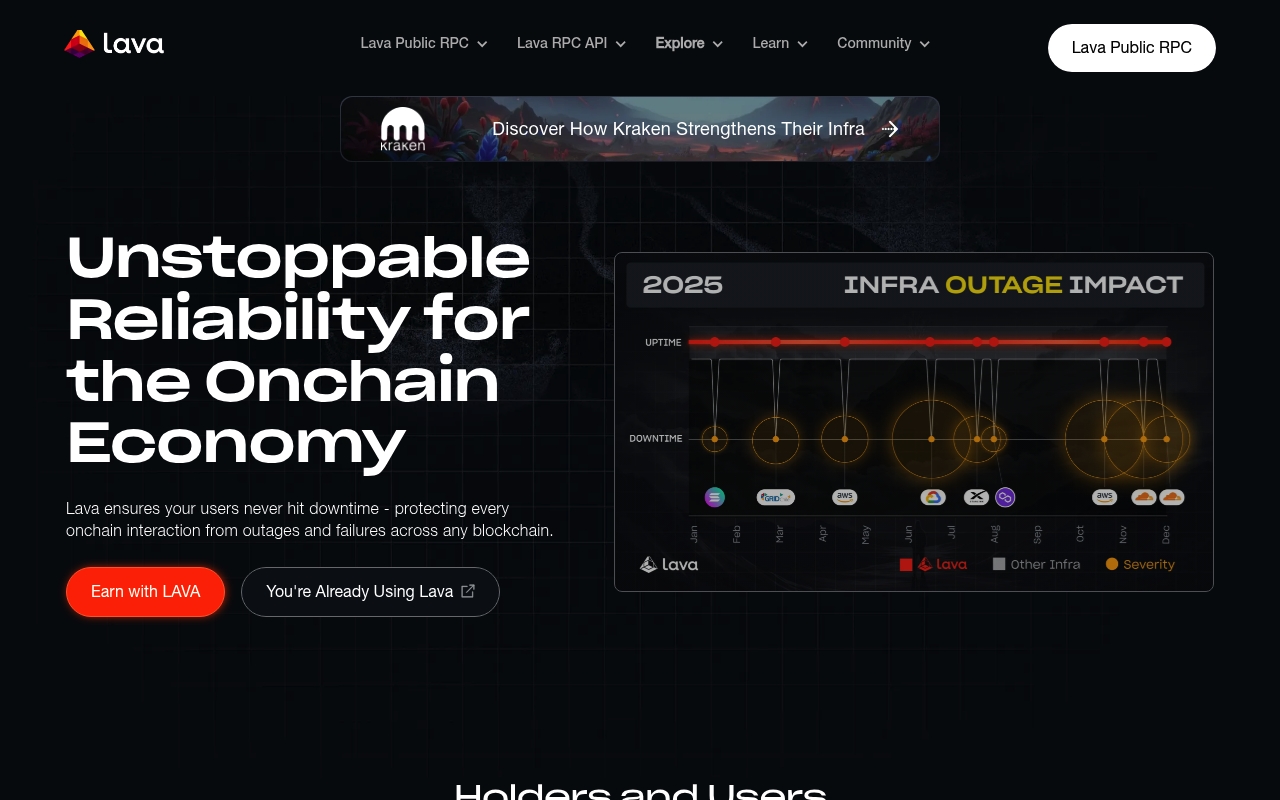
Lavanet is building a decentralized infrastructure network that lets applications and services tap into blockchain resources without the usual constraints of centralized providers. Think of it as a peer-to-peer marketplace for computational power, but for Web3 apps. Instead of relying on a single RPC provider or node operator, developers can access redundant, distributed infrastructure that's both more reliable and resistant to censorship. The network operates through a token-incentivized model where node operators earn rewards for serving requests, creating an open market for blockchain infrastructure rather than a walled garden controlled by a few large players. This approach addresses a real friction point in crypto adoption: the dependency on centralized infrastructure providers that can throttle, monitor, or shut down access. Lavanet democratizes access to blockchain resources by spreading that responsibility across thousands of independent operators. For developers, it means faster, cheaper, and more resilient connections to blockchains. For node operators, it's an opportunity to monetize spare computational capacity. In the broader context of decentralized finance and Web3, Lavanet represents infrastructure-layer innovation—the kind of plumbing work that rarely gets headlines but is essential for making the entire ecosystem more robust and genuinely decentralized.
Categories
Financial InfrastructureCrypto & Blockchain
tonkeeper.com
Tonkeeper
tonkeeper.com🇮🇸 Iceland
Tonkeeper is a mobile wallet built for the TON blockchain, designed to make crypto accessible to people who've never touched digital assets before. It strips away the complexity that typically comes with self-custody, offering a clean interface for sending, receiving, and storing TON tokens without requiring deep technical knowledge. The app handles key management transparently, so users can focus on their money rather than their keys.
What sets Tonkeeper apart is its unapologetic simplicity. While most wallets load their interfaces with charts, advanced trading features, and portfolio analytics, Tonkeeper keeps things focused and minimal. It's built for people who want a wallet that works, not a platform that tries to be everything. The team clearly understands that friction is the enemy of adoption.
Tonkeeper sits at the intersection of consumer-friendly design and genuine decentralization. It's not a custodial service, so users retain full control of their assets, but the UX suggests that security and usability don't have to be enemies. As the TON ecosystem grows beyond crypto enthusiasts into mainstream use, Tonkeeper's approachable design makes it the natural entry point for newcomers. In a space often dominated by overwrought interfaces and jargon, it feels almost refreshingly straightforward.
Categories
Crypto & Blockchain
meniga.com
Meniga
meniga.com🇮🇸 Iceland
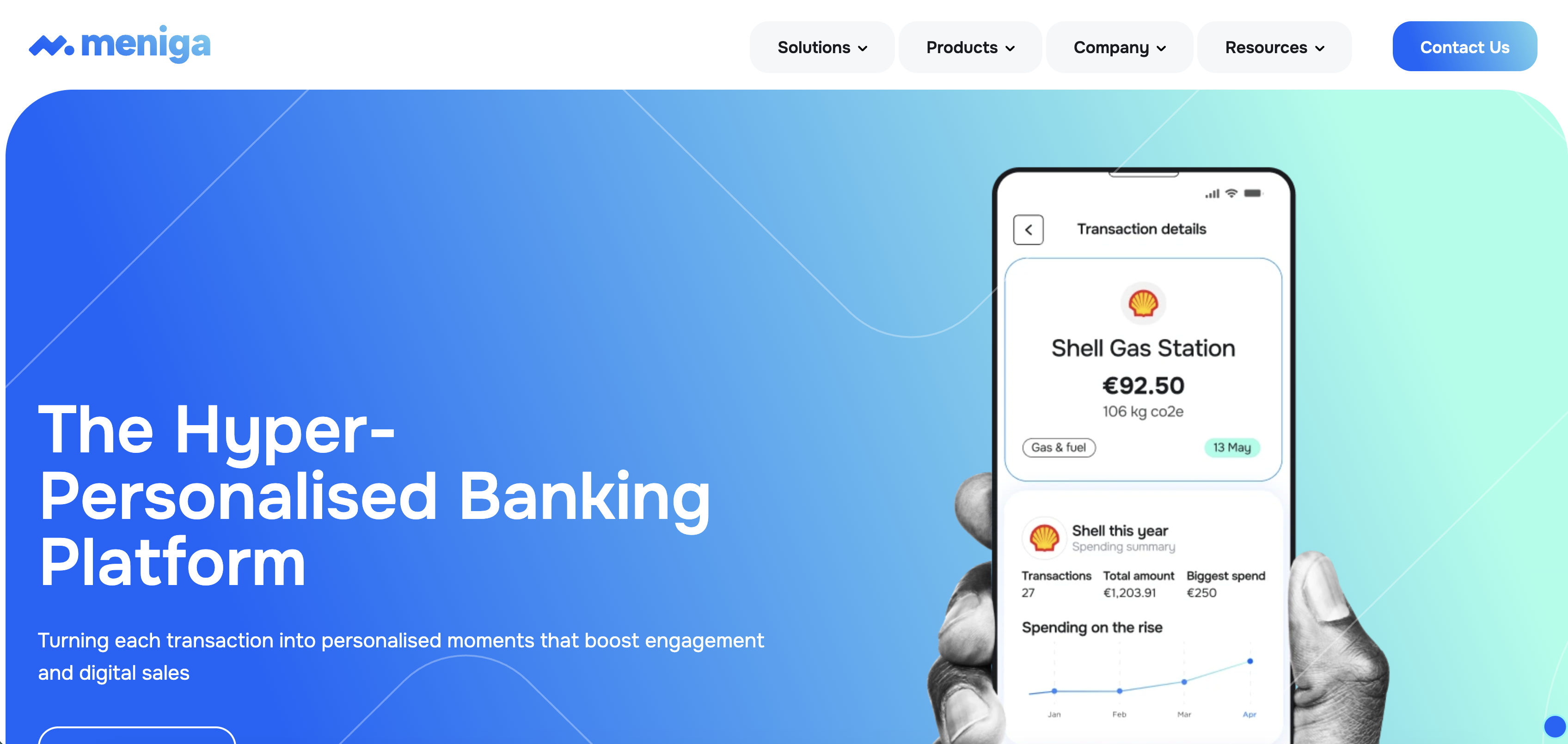
Personal finance management has been fragmented for years—users juggle multiple accounts across different banks, struggle to categorize expenses, and lose sight of their actual spending patterns. Meniga built the operating system for that chaos, connecting directly to banks across Europe and beyond to give people a unified view of their financial life.
The company aggregates account data from thousands of financial institutions, automatically categorizes transactions, and surfaces actionable insights through intuitive mobile and web interfaces. Rather than forcing users to manually log expenses or switch banks, Meniga meets them where their money already is. The platform learns spending habits over time and can flag anomalies, suggest savings opportunities, and help families coordinate finances in one place.
While most fintech startups chase headlines with flashy features, Meniga has stayed disciplined on the unglamorous work of data plumbing and user experience. It's become the backend for other financial services—banks, brokers, and insurers across the region use Meniga's APIs and white-label solutions to power their own personal finance tools, rather than building from scratch.
The company operates quietly but pervasively across Northern Europe and beyond, having grown from a Reykjavik startup into a critical piece of financial infrastructure for millions of users and dozens of institutional partners. In an era of financial fragmentation, Meniga is the connective tissue.
Categories
Digital BankingOpen BankingPersonal Finance

kvika.is
Kvika
kvika.is🇮🇸 Iceland
Kvika is an Icelandic investment bank and fintech firm that has quietly built something rarely seen in Europe's crowded fintech space: a full-service wealth and capital markets platform designed for serious investors, not casual traders. Founded in the early 2000s, the company operates as a licensed bank rather than a scrappy startup, which gives it something most fintechs lack—direct access to markets, custody capabilities, and institutional credibility.
The platform combines retail investment tools with professional-grade execution and advisory services. You can trade equities, bonds, funds, and derivatives across multiple exchanges, but Kvika doesn't compete on flashiness. Instead, it positions itself as the thinking investor's choice in a market saturated with gamified trading apps and commission-free broker clones.
What sets Kvika apart in the Nordic and European context is its hybrid model. It serves both individual investors seeking serious portfolio management and corporate clients needing capital markets access. The company operates with the regulatory infrastructure and market relationships that pure fintechs spend years trying to replicate, yet it maintains the technology-first approach that defines modern finance.
Kvika represents a different kind of European fintech success—one built on institutional foundations rather than disruption narratives. It's the kind of player that rarely makes headlines but quietly captures the investor who wants depth over hype.
Categories
WealthDigital BankingCapital Markets