Country
Companies10 of 79
tink.com
Tink
tink.com🇸🇪 Sweden
Tink is a Swedish open banking platform that connects to over 3,000 financial institutions across Europe, solving the friction between fintech ambition and banking reality. Rather than building their own infrastructure from scratch, startups and established financial companies plug into Tink's APIs to instantly access account data, initiate payments, and orchestrate complex financial workflows without dealing with legacy banking plumbing.
The company sits at the intersection of three powerful trends: the shift toward embedded finance, the regulatory tailwinds of PSD2 and Open Banking, and the growing irrelevance of traditional bank APIs. While competitors chase headlines with consumer-facing apps, Tink operates in the less glamorous but infinitely more valuable B2B2C layer—the infrastructure that quietly powers dozens of European fintech winners.
What sets Tink apart is execution at scale. Their data aggregation and payment initiation services work reliably across fragmented European banking systems, which is harder than it sounds. Most fintechs eventually realize they need a Tink-like layer to escape the nightmare of maintaining connections to hundreds of banks with different technical standards and frequent updates.
That importance hasn’t gone unnoticed. In 2022, Tink was acquired by Visa, a move that underscored just how critical open banking infrastructure has become. The acquisition gave Tink both validation and reach, positioning it even closer to the core of the global payments ecosystem.
Tink represents the unglamorous backbone of modern European fintech—the kind of company that doesn't dominate headlines but becomes quietly indispensable to everyone building financial products.
Categories
Open BankingFinancial InfrastructureEmbedded Finance
mollie.com
Mollie
mollie.com🇳🇱 Netherlands
Mollie is a payment infrastructure company built for the internet age. Rather than forcing merchants through the byzantine setup process traditional payment processors demand, Mollie strips away the friction. You connect a few APIs, define your payment methods, and suddenly you're accepting everything from credit cards to local payment schemes across Europe—all without the operational headache of managing multiple provider relationships.
What sets Mollie apart is its uncompromising focus on developer experience. The company treats its payment platform the way SaaS companies treat their core products: with obsessive attention to documentation, dashboard clarity, and API elegance. Mollie handles the compliance complexity, the fraud monitoring, the settlement logistics. Merchants get a single pane of glass.
For a continent fragmented by payment preferences—iDEAL in the Netherlands, Bancontact in Belgium, SEPA everywhere—Mollie's multi-method approach feels essential rather than nice-to-have. The company works at the intersection of European e-commerce growth and the technical debt of legacy payment infrastructure, making it indispensable to thousands of online businesses that would rather build products than negotiate with acquiring banks.
Mollie has become something like the connective tissue of European payments: not as visible as the brands merchants serve, but embedded in the transaction flows of digital commerce across the continent.
Categories
PaymentsFinancial Infrastructure
mambu.com
Mambu
mambu.com🇩🇪 Germany
Mambu is a cloud-native banking software platform that lets financial institutions and fintechs launch and operate lending and deposit products without building from scratch. Rather than forcing customers into rigid legacy systems, Mambu provides composable banking infrastructure—modular APIs and pre-built components that work together or stand alone, depending on what you actually need.
The company sits at the intersection of two fintech realities: traditional banks are drowning in outdated core systems that can't keep pace with market demands, while new lenders and neobanks need speed without sacrificing compliance or scale. Mambu's approach is to be the operating system underneath, handling the heavy lifting of loan origination, deposit management, portfolio servicing, and regulatory reporting while letting clients focus on customer experience and product innovation.
What makes Mambu different from other core banking platforms is its emphasis on velocity. Institutions deploy in weeks rather than years. The platform is genuinely modular—you can pick the lending module, the deposit module, or both, and layer in third-party services through APIs. This flexibility has resonated with everyone from African microfinance networks to European challenger banks to enterprise lenders managing complex credit products.
Mambu is now a critical piece of infrastructure in the emerging markets fintech ecosystem, particularly across Africa and Asia, where it powers lending operations for hundreds of financial institutions. In Europe, it's carved out space among mid-market and challenger banks looking to avoid the capital expenditure and technical debt of legacy systems. The company represents a broader shift in fintech: away from end-to-end platforms that claim to do everything, toward specialized infrastructure that does one thing—backend financial operations—exceptionally well.
Categories
LendingDigital BankingFinancial Infrastructure
paysera.com
Paysera
paysera.com🇱🇹 Lithuania
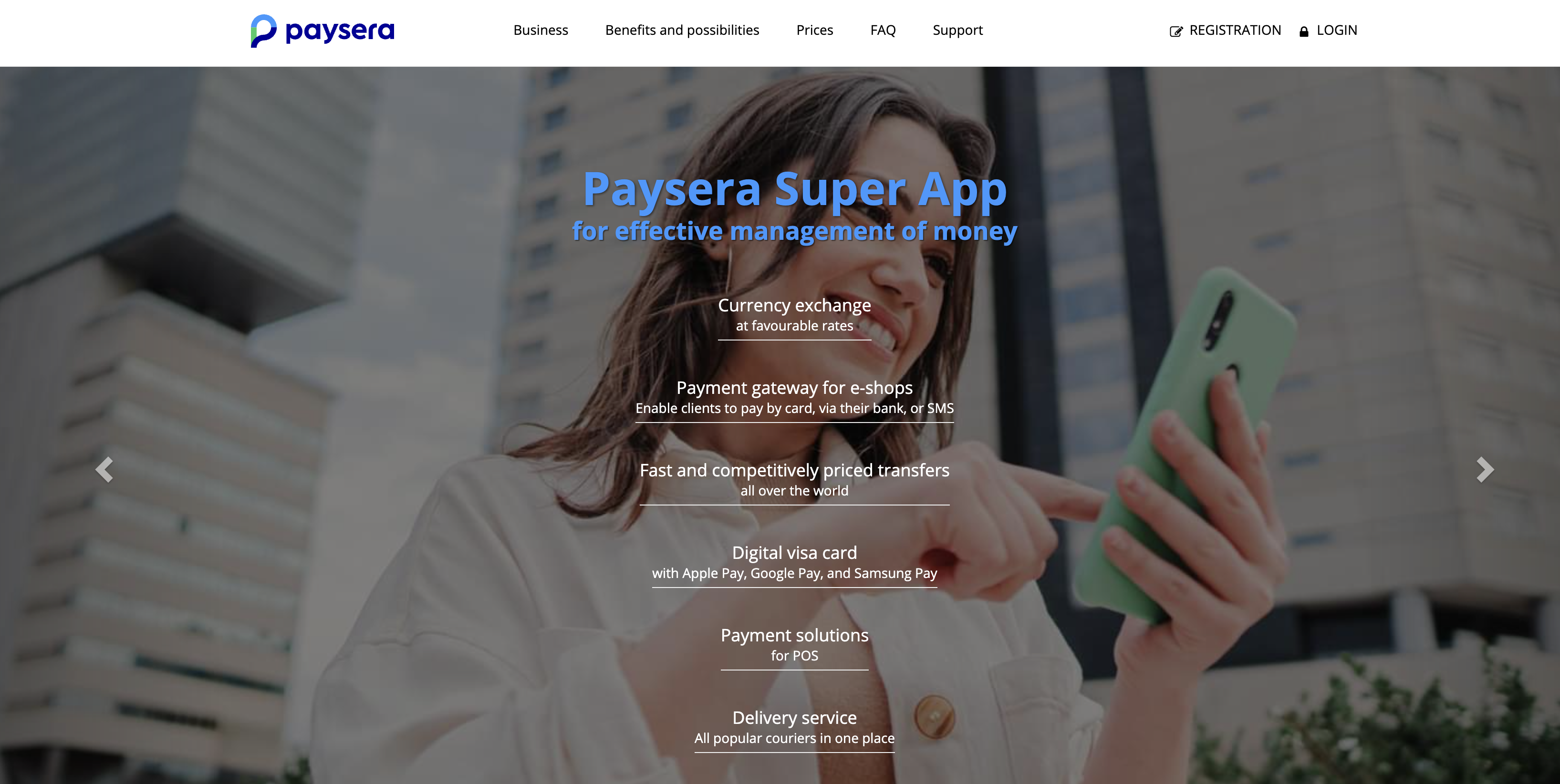
Paysera is a Lithuanian fintech company that has quietly built one of Europe's most comprehensive payment and banking platforms, serving millions of users across the continent. Rather than chasing hype, Paysera focuses on practical utility—combining payment processing, digital accounts, currency exchange, and invoicing tools into a single interface that works across borders and languages. The platform powers everything from freelancers managing invoices to SMEs handling payroll, while also offering consumer-facing services like multi-currency wallets and competitive exchange rates. What sets Paysera apart is its unglamorous pragmatism: it solves real friction in how Europeans move, spend, and manage money across different countries, without the startup theatrics. It's the kind of company that doesn't dominate headlines but has become indispensable infrastructure for a significant portion of the continent's digital economy. In the crowded European fintech landscape, where newer players chase consumer attention and legacy banks chase compliance, Paysera operates in the profitable middle—trusted by businesses and individuals who value reliability and cross-border simplicity over brand prestige.
Categories
Financial InfrastructurePaymentsDigital BankingSME Finance
credorax.com
Credorax
credorax.com🇲🇹 Malta
Credorax is a European payment processor that handles the unglamorous but critical work of moving money between merchants, banks, and card networks. Founded in Israel but operating across Europe, it powers payments for everyone from e-commerce platforms to subscription services, handling both the technical plumbing and the regulatory compliance that most merchants never see.
The company sits in the middle of the payments stack—acquiring transactions from merchants, processing them through card schemes, and settling funds back. It's B2B infrastructure, not consumer-facing, which means its success depends entirely on being reliable, fast, and trustworthy. Credorax handles high-risk merchants (gaming, adult content, nutraceuticals) that traditional acquirers often refuse, which is both its niche and its competitive moat.
What sets Credorax apart in the crowded European payments landscape is its willingness to serve segments that mainstream processors avoid. While Adyen and Stripe chase consumer-friendly merchant stories, Credorax has built real scale by solving actual problems for operators in overlooked verticals. It's less glamorous than fintech darlings but arguably more essential—the backbone rather than the interface.
The company represents a particular kind of European fintech success: unglamorous, B2B-focused, deeply regulated, and profitable. It's the kind of business that doesn't generate TechCrunch headlines but quietly processes billions in annual transaction volume.
Categories
PaymentsFinancial Infrastructure
adyen.com
Adyen
adyen.com🇳🇱 Netherlands
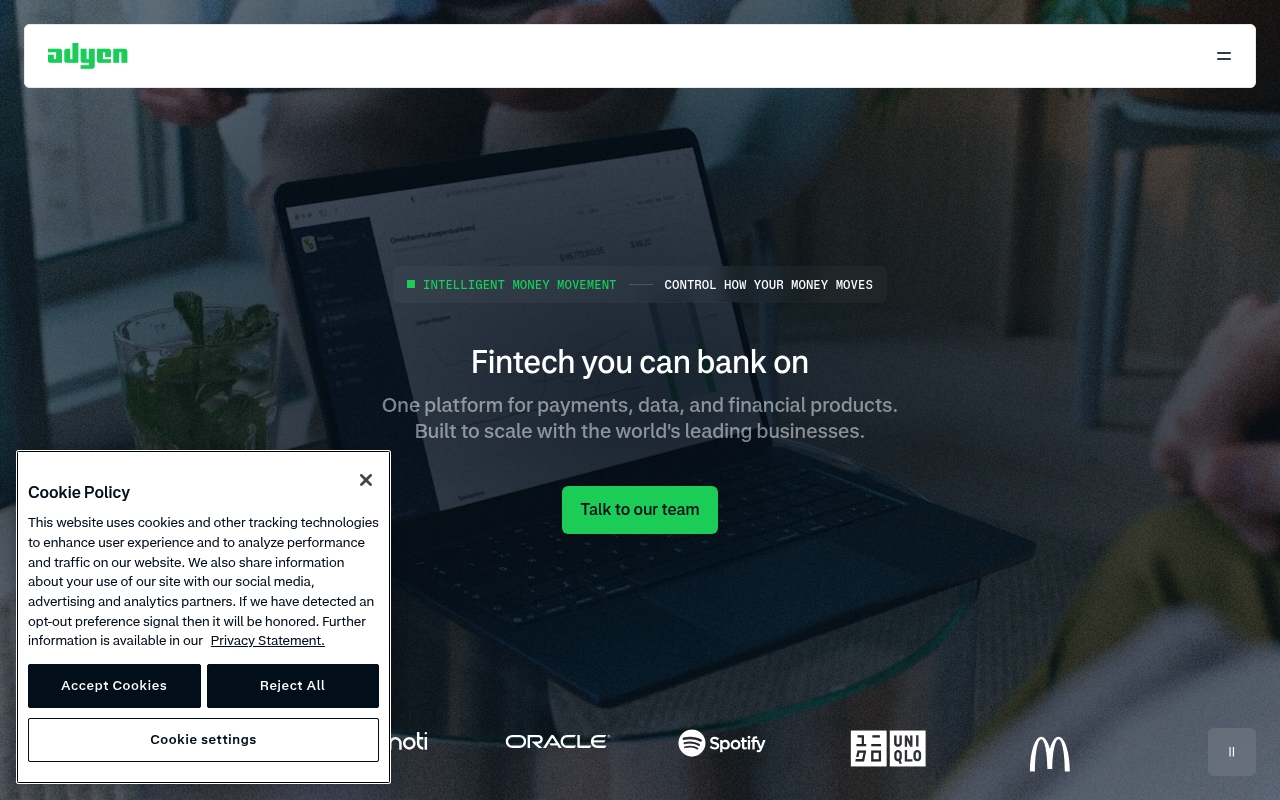
Adyen is the global payments infrastructure that powers the world's biggest brands. Founded in Amsterdam and now operating across every major market, it's the connective tissue between retailers, their customers, and the financial system—processing everything from online checkouts to in-store transactions to marketplace payouts in a single, unified platform.
What sets Adyen apart is its refusal to operate as a traditional payments middleman. Instead of bolting together separate processors, gateways, and acquirers, it built its own infrastructure from the ground up, meaning faster settlement, lower friction, and genuine transparency on what you're actually paying. You see this philosophy everywhere: merchants get real-time visibility into their payments, developers integrate once and reach hundreds of payment methods, and the company has stayed agnostic to trends—it processes crypto as easily as it processes credit cards, embedded payments as easily as it processes commerce.
In a market crowded with legacy processors and upstart fintechs, Adyen occupies a unique position: it's genuinely global without being a sprawling conglomerate, technically sophisticated without being inaccessible, and profitable without relying on venture capital.
For enterprises serious about payments—whether they're selling fashion, booking flights, or managing marketplaces—Adyen represents the modern alternative to fragmented, outdated payment stacks.
Categories
PaymentsFinancial InfrastructureEmbedded Finance
finastra.com
Finastra
finastra.com🇬🇧 United Kingdom
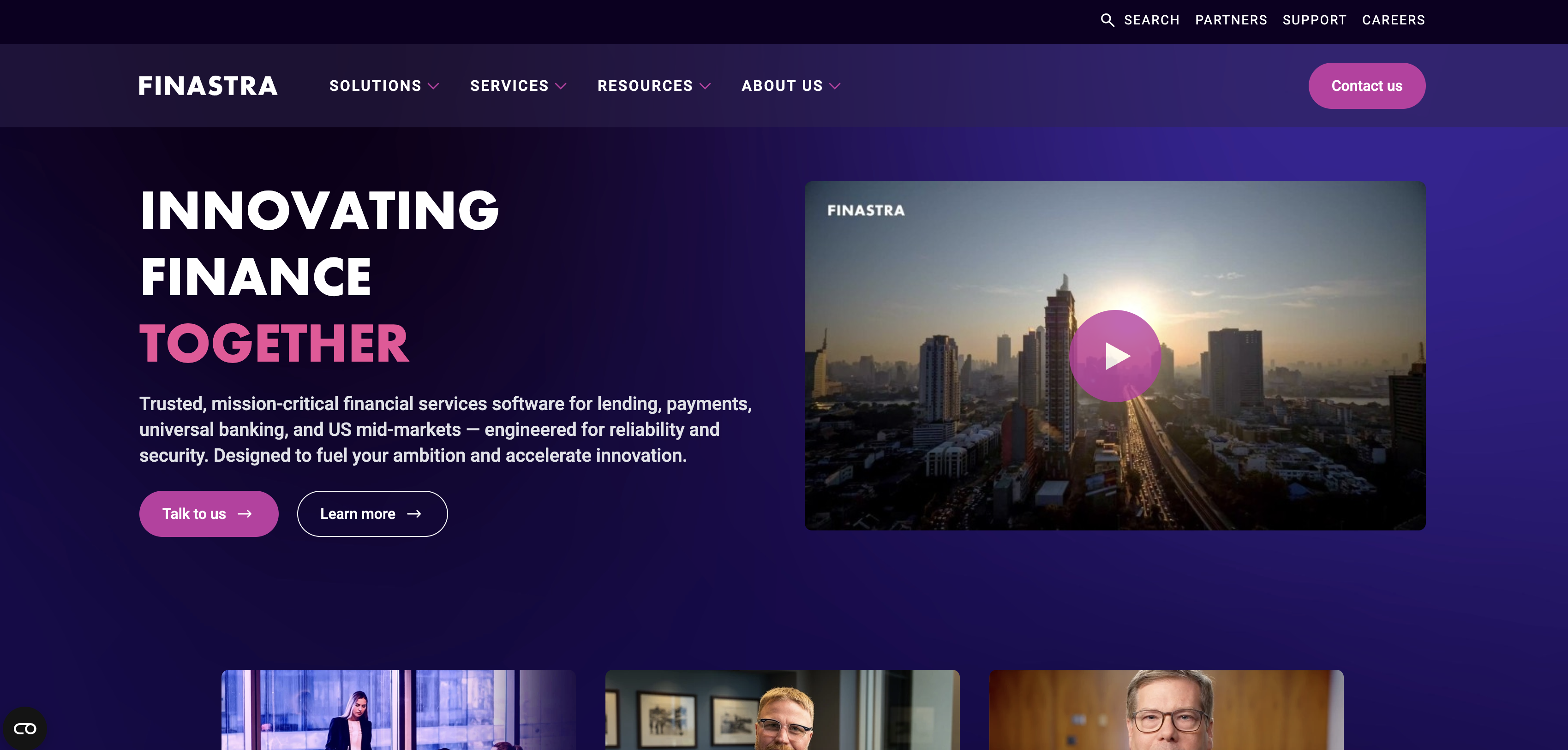
Finastra is a London-based financial software giant that powers the plumbing behind modern finance. Rather than chasing consumers with flashy apps, Finastra builds the invisible infrastructure that banks, investment firms, and capital markets players depend on to operate. Think of it as the operating system for institutional finance—the sort of company most people have never heard of but whose systems process trillions in transactions daily.
The company's portfolio spans core banking systems, treasury management platforms, capital markets solutions, and lending technology. Finastra operates at the intersection of legacy finance and digital transformation, helping traditional institutions modernize their backend without scrapping decades of accumulated complexity. For banks and brokers, Finastra's software is often indispensable—the kind of vendor you can't easily replace once integrated into your operations.
In the European market, Finastra competes with other heavyweight infrastructure players but stands out for its broad coverage across retail, corporate, and capital markets segments. The company has grown partly through acquisition, absorbing competitors and bolt-on technologies to expand its ecosystem. It's not the startup disrupting finance from the margins; it's the entrenched platform that established institutions lean on to survive and scale.
Categories
Financial InfrastructureSME FinanceCapital MarketsLendingTreasury
lhv.ee
LHV
lhv.ee🇪🇪 Estonia
LHV has the distinction of being both Estonia's largest domestic bank and one of the most important banking infrastructure providers in European fintech. Founded in Tallinn in 1999 — making it ancient by Estonian standards in a country whose digital infrastructure is itself only a few decades old — LHV grew from an investment firm into a full retail bank, navigating Estonia's evolution from post-Soviet transition economy to digital society more successfully than many of its peers. The bank serves Estonian retail and business customers across the full range of banking products, with particular strength in investment services that reflects its origins as a brokerage. Beyond its domestic banking business, LHV has built a Pan-European operation providing banking services to fintechs — issuing accounts, IBANs, and payment infrastructure to many of the UK and European fintechs that needed banking partnerships to operate compliantly. The fintech banking business has made LHV one of the most important behind-the-scenes infrastructure providers in European fintech, even if most of the consumer-facing companies that rely on it never mention LHV publicly. In the European banking landscape, LHV represents the unusual combination of small national bank and Pan-European fintech enabler — a position that few institutions have managed to occupy.
Categories
Digital BankingFinancial InfrastructureSME Finance
blockchain.com
Blockchain.com
blockchain.com🇬🇧 United Kingdom
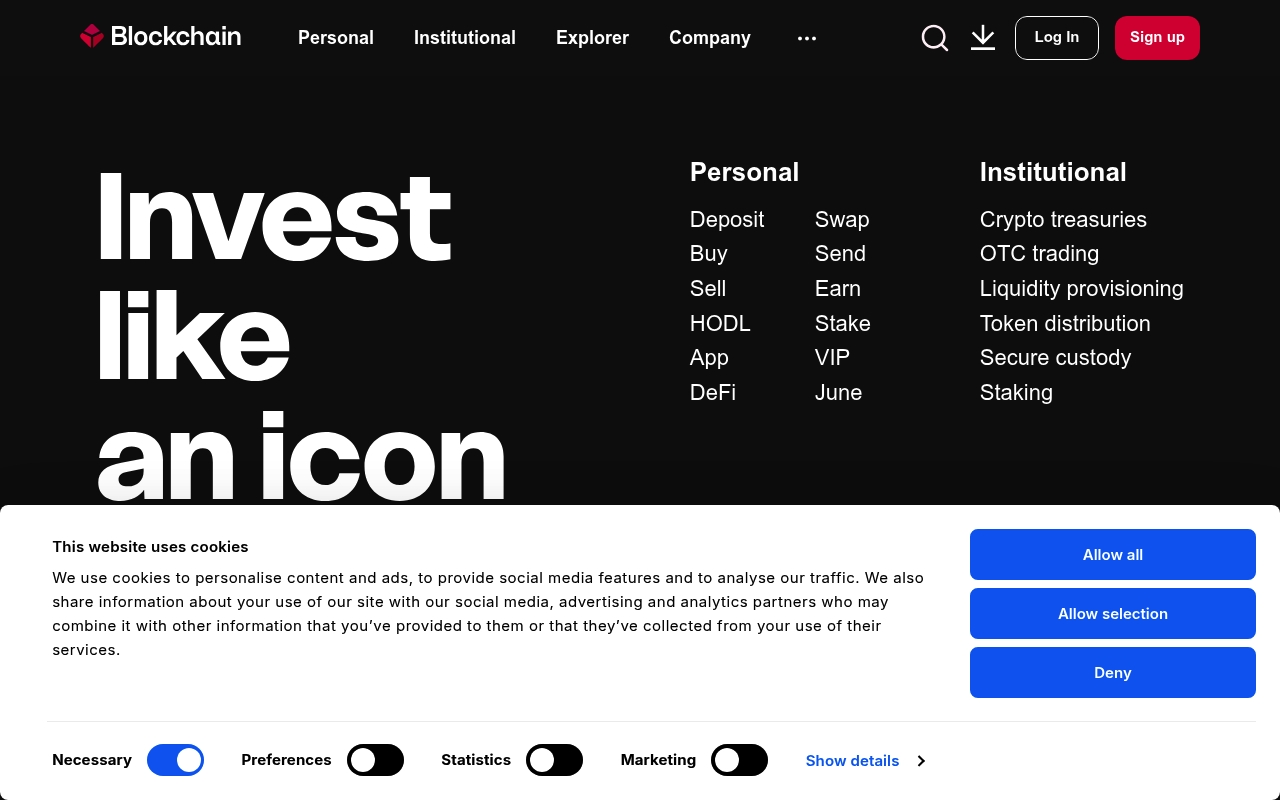
Blockchain.com is one of the oldest and most-visited crypto infrastructure platforms in the world, operating as a bridge between traditional finance and digital assets. The company runs a full-stack crypto ecosystem—a blockchain explorer that millions use to track transactions, a self-custody wallet that puts users in control of their private keys, and a suite of institutional-grade services for serious players. Where most crypto platforms treat blockchain as a trading venue, Blockchain.com treats it as infrastructure. The platform serves retail users seeking transparency and control, developers building on-chain applications, and institutions entering crypto with proper compliance frameworks. The company has maintained a distinctly crypto-native stance while gradually building enterprise services that acknowledge regulatory reality. Its wallet remains one of the most downloaded in the space, offering both simplicity for newcomers and advanced features for power users. Blockchain.com sits at an interesting inflection point in fintech—old enough to have survived multiple market cycles, serious enough to work with regulators, yet still fundamentally aligned with decentralized principles. The platform's role in the broader landscape is foundational: it enables crypto participation across the entire user spectrum, from curious individuals to multinational corporations managing digital asset reserves.
Categories
Crypto & BlockchainFinancial Infrastructure
iongroup.com
ION Group
iongroup.com🇬🇧 United Kingdom
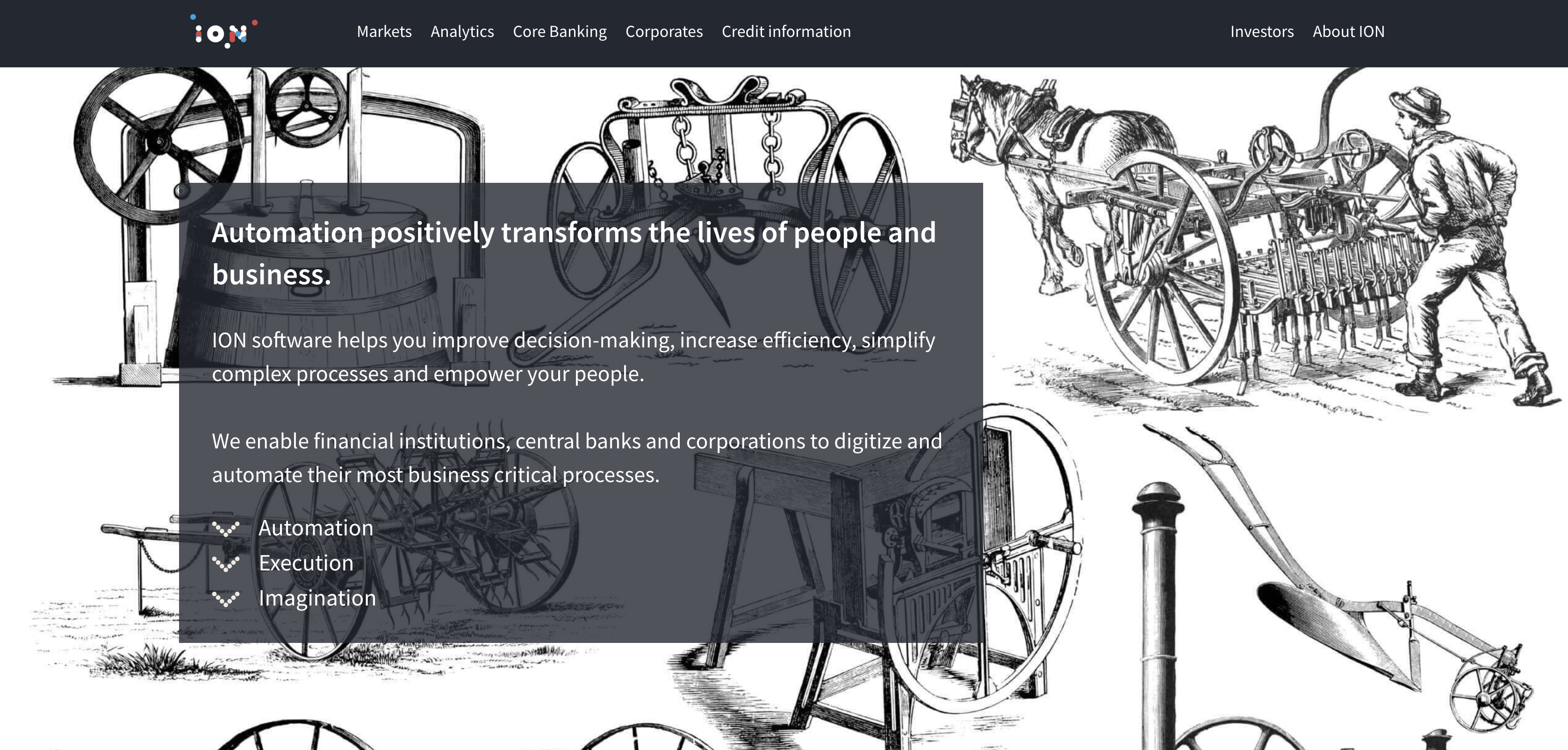
ION Group is a sprawling financial software empire that has quietly become one of Europe's most comprehensive infrastructure plays. The company operates across trading, risk management, and post-trade processing—the unsexy but absolutely critical backbone that powers global capital markets. Unlike flashy fintech startups chasing consumer adoption, ION builds the invisible plumbing that institutional traders, hedge funds, and investment banks depend on every single day. Its portfolio spans front-office platforms, market data aggregation, clearing and settlement systems, and regulatory reporting tools. ION serves as a counterweight to the purely consumer-focused fintech narrative, proving there's enormous value in solving problems for professionals who move billions. The company's strength lies in its ability to connect disparate financial systems, providing what amounts to a unified operating system for institutional finance. For European financial institutions, ION represents a trusted partner in an increasingly complex regulatory landscape, offering solutions that integrate seamlessly with legacy infrastructure while modernizing workflows. Its acquisition-driven growth strategy—picking up niche specialists and consolidating them into a cohesive platform—mirrors the broader consolidation happening across enterprise fintech. ION's market position underscores a fundamental truth about fintech: the biggest opportunities often lie in B2B infrastructure rather than consumer apps.
Categories
Capital MarketsFinancial InfrastructureRegTechTreasury