DatabaseServicesArticlesCountriesGlossaryNewsletterRequest listing
← All countries
🇭🇷

Fintech in Croatia

8 companies·View all in directory →
About the Croatia fintech ecosystem

Croatia joined the eurozone in January 2023, a significant development that simplifies the financial regulatory environment and payment infrastructure for Croatian fintechs operating within the EU single market. Zagreb is Croatia's primary business and financial centre, with a growing technology ecosystem supported by strong technical university education and relatively low operational costs.

Croatian fintech is at an early stage of development compared to more established CEE markets, but the country's adoption of the euro, improving digital payment infrastructure, and growing middle class create the conditions for fintech growth. Croatian IT talent has historically been exported to larger European markets, but an increasing number of Croatian engineers and entrepreneurs are building locally.

The Croatian National Bank regulates financial services within the ECB and EBA framework, and EU membership provides Croatian-licensed fintechs with the passporting rights needed to serve customers across the EU.

Fintech companies based in Croatia
Aircash
Aircash
Payments
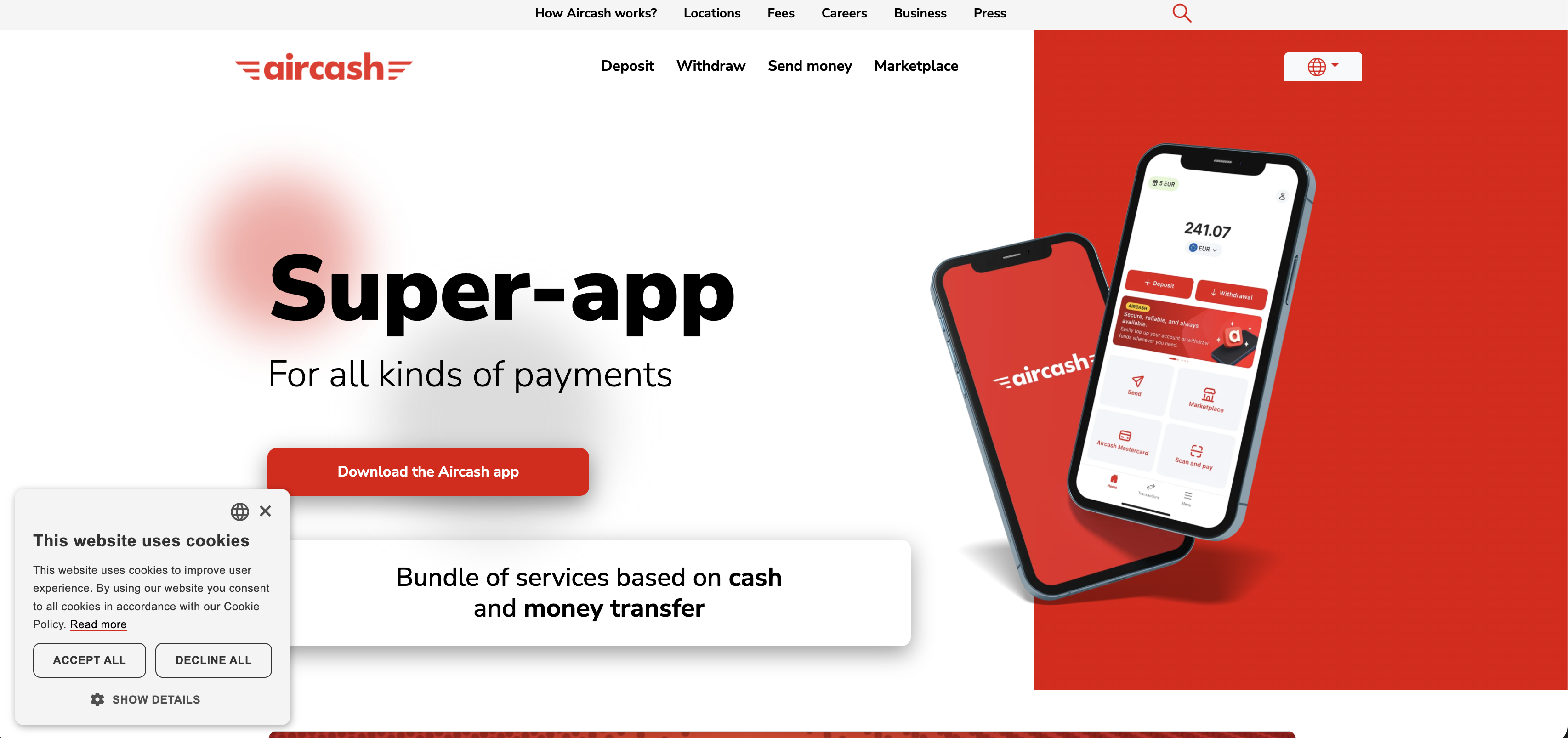
Cash-to-digital and digital-to-cash conversion remains relevant in European markets where significant portions of the population maintain a preference for cash even as digital payment infrastructure expands. Aircash was founded in Zagreb in 2015 to build infrastructure that bridges those payment forms, providing services that let consumers move between cash and digital wallets through retail networks across Croatia and the broader Balkan region. The platform combines a digital wallet, a Visa prepaid card, and a network of retail cash-in and cash-out points that gives users practical alternatives to bank-mediated digital payments. Aircash has expanded its product range and geographic coverage across Southeastern European markets, building a position that addresses both the digital and cash-preference segments of the market simultaneously. The Balkan markets have lower formal banking penetration than Western Europe and a continuing significant role for cash in everyday commerce, making the cash-bridge model commercially viable in ways that pure digital wallets struggle to achieve in those markets. In the broader European fintech landscape, Aircash represents the regional infrastructure that addresses payment preferences specific to its market — a model that requires depth in retail partnerships and operational logistics rather than the technical scale that international payment platforms emphasise.
Founded 2015
Oradian
Oradian
Financial Infrastructure
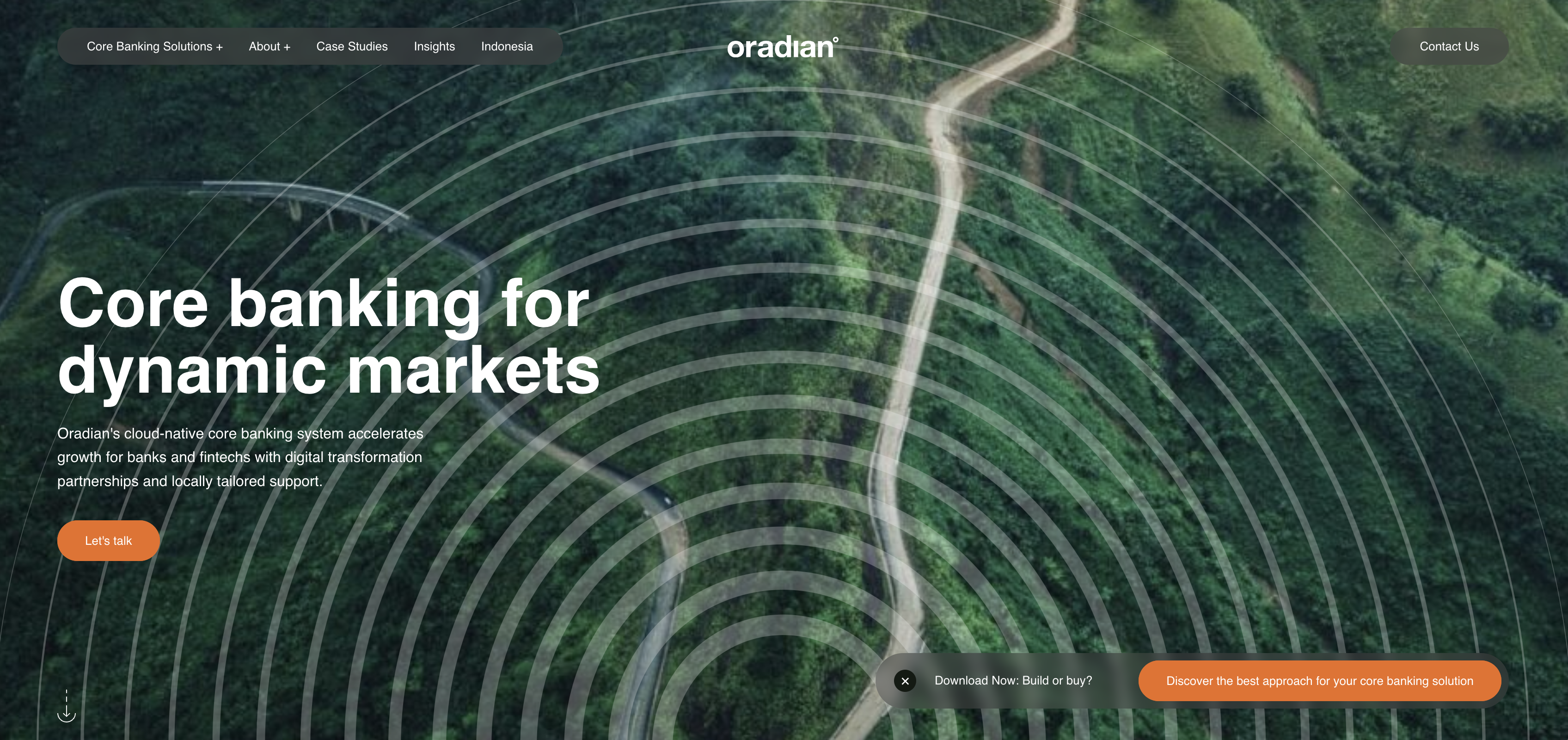
Microfinance institutions and banks operating in emerging markets have technology needs that the major core banking platforms haven't traditionally served well — they need cloud-deployed infrastructure that runs reliably with intermittent connectivity, supports the specific products and workflows of microfinance, and is priced for institutions that operate at scale but with thinner margins than developed-market banks. Oradian was founded in Zagreb in 2012 to build that core banking platform, deploying its cloud-native banking infrastructure to microfinance institutions, credit unions, and emerging market banks across Africa, Southeast Asia, and Latin America. The Croatian engineering base combined with deep expertise in emerging market banking operations gave Oradian a positioning that few core banking competitors could replicate — modern cloud architecture combined with genuine understanding of how microfinance institutions actually work. Oradian has deployed its platform to hundreds of financial institutions across multiple emerging market regions, processing billions in transactions for institutions serving millions of customers who would otherwise be excluded from formal financial services. In the broader European fintech landscape, Oradian represents the category of European technology built explicitly for emerging market deployment — a model that has produced some of the more interesting and impactful fintech outcomes by addressing markets where the underlying need is substantial and where European technology engineering can deliver disproportionate value.
Founded 2012
Robo.cash
Robo.cash
Lending
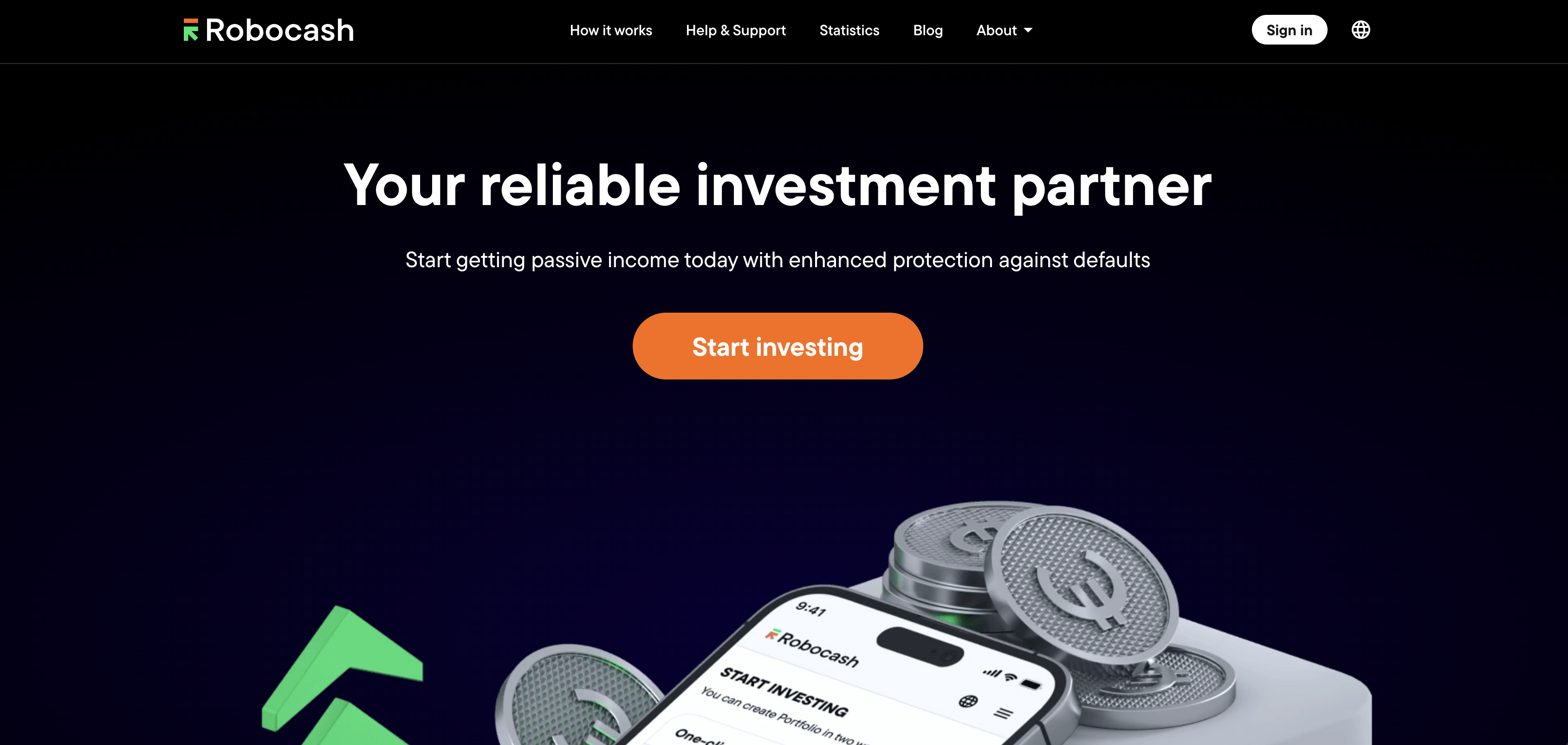
Robo.cash operates in the intersection of peer-to-peer lending and alternative finance, offering investors access to curated loan portfolios across emerging markets. The platform automates investment selection and portfolio management through algorithmic underwriting, letting retail investors diversify across geographies without the friction of traditional private lending networks. Unlike conventional P2P platforms that focus on domestic markets, Robo.cash targets cross-border lending opportunities, primarily in Central and Eastern Europe and Latin America. The company positions itself as a fintech bridge between individual capital and underserved borrowing markets, using data-driven credit assessment to reduce default risk. It appeals to yield-seeking European investors looking for alternatives to negative real returns in traditional savings. Robo.cash's automation removes the manual effort from international lending, a category typically locked behind institutional gatekeeping. The platform operates as a regulated marketplace in multiple jurisdictions, handling currency conversion and cross-border settlement automatically. Its role in the broader landscape is part of the democratization wave that challenges traditional banking's monopoly on international capital allocation, though with higher risk profiles than conventional banking products.
Founded 2015
Microblink
Microblink
Fraud & Security
Microblink builds AI document capture and identity verification tools for financial services.
Founded 2013
Farseer
Farseer
SME Finance
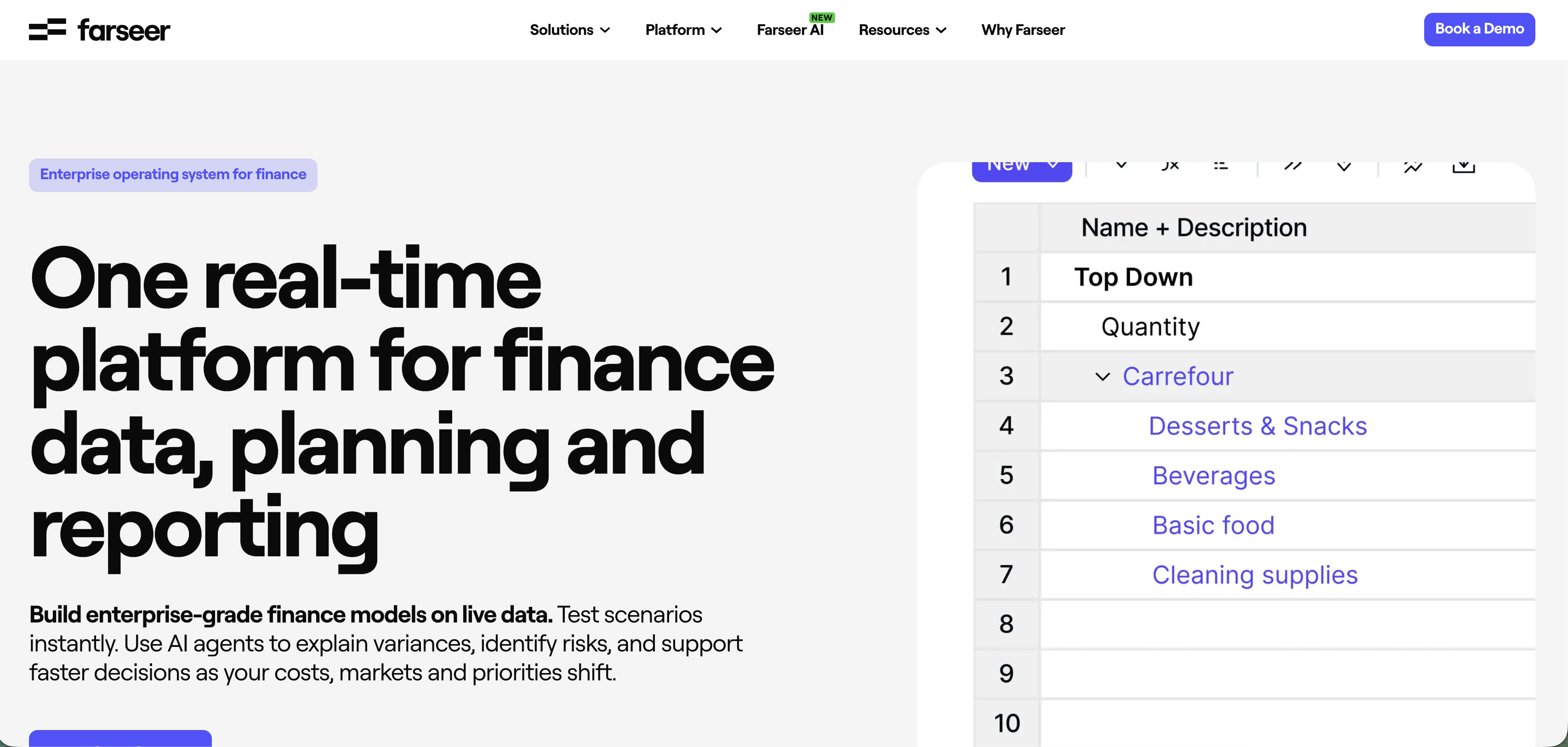
Financial planning and analysis software has historically been one of the most painful parts of running a finance team — Excel models that nobody fully understands, manual data consolidation that consumes days every month, and forecasting processes that produce numbers nobody actually believes by the time they reach the management team. Farseer was founded in Zagreb in 2017 to bring modern software discipline to that workflow. Its planning platform helps mid-market companies build financial models, run scenario analyses, and produce management reporting through a cloud-based platform that replaces the spreadsheet sprawl that defines most corporate FP&A. The Croatian base is significant — Farseer represents one of the more credible product-led companies emerging from the Adriatic tech scene, building enterprise software for European mid-market customers from a region that has historically punched above its weight in software engineering talent but below its weight in venture-backed companies. In the European corporate finance technology landscape, Farseer competes with established players like Anaplan and Adaptive Insights, differentiating through faster implementation timelines and pricing more accessible to mid-market companies that the enterprise platforms typically don't serve well.
Founded 2017
Monri
Monri
Fraud & Security
Monri is a Central European payment orchestration platform that simplifies how merchants manage transactions across multiple providers and channels. Rather than juggling separate integrations with different payment gateways—a headache that still defines much of European commerce—Monri abstracts that complexity behind a single API and dashboard. The company targets mid-market retailers and e-commerce businesses that need to optimize their payment stack without rebuilding it every time a competitor launches a new service. Founded with the operational challenges of the region in mind, Monri combines payment gateway aggregation with fraud detection and settlement tools, letting merchants test new payment methods, monitor performance, and switch providers without engineering lift. This is particularly valuable in Central and Eastern Europe, where payment preferences fragment sharply—some customers want wallet solutions, others demand local bank transfers, still others prefer cards. While global giants like Stripe and Adyen dominate Western Europe's conversation, Monri has carved space by understanding regional nuance and keeping complexity out of the merchant's way. The platform sits squarely in the infrastructure layer of European fintech, positioning itself neither as a bank nor as a payments brand, but as the connective tissue that allows regional merchants to scale. Its role in the broader ecosystem is to democratize sophisticated payment operations—historically the domain of enterprise merchants with dedicated teams—and make them accessible to growing businesses that can't afford to hire specialists.
Founded 2013
Fonoa
Fonoa
Financial Infrastructure
Tax compliance has long been the tedious, error-prone side of fintech—the regulatory checkbox that slows down growth. Fonoa automates indirect tax (VAT, GST, sales tax) for digital businesses operating across multiple jurisdictions, turning what used to be a spreadsheet nightmare into API-driven accuracy. The platform handles tax calculation, compliance reporting, and filing across more than 200 territories, meaning a SaaS company or marketplace doesn't need a dedicated tax accountant just to stay legal. Fonoa integrates directly with billing systems and payment processors, capturing transaction data and determining tax obligations in real time. What sets Fonoa apart is its focus on the messy reality of cross-border digital commerce. While traditional tax software still assumes you're filing locally, Fonoa was built for companies that sell globally by default—the kind of businesses that would otherwise need to hire lawyers and accountants in every market they touch. In the broader European fintech stack, Fonoa occupies the unsexy-but-critical layer between payment platforms and accounting systems. It's the kind of infrastructure that enables other fintechs to scale without regulatory friction, making it essential backbone software for anyone processing payments across borders.
Founded 2019
Paydo
Paydo
Embedded Finance
Paydo is a European payment infrastructure platform built for the modern merchant. Rather than cobbling together multiple vendors, Paydo consolidates acquiring, payouts, and wallet services into a single API-driven stack that handles everything from card processing to cross-border settlements. The platform speaks the language of scale—it's designed for marketplaces, fintechs, and platforms that need payment infrastructure that moves as fast as they do. What sets Paydo apart is its focus on merchant control and transparency. Most payment providers treat merchants as subordinate; Paydo inverts that dynamic, offering real-time reporting, granular settlement options, and no hidden reserves. The company has built particular strength in the European market, where regulatory complexity and fragmented banking infrastructure make unified payment rails genuinely valuable. Its white-label capabilities mean platforms can rebrand Paydo's rails as their own, embedding payment infrastructure seamlessly into their user experience. For merchants tired of juggling vendor relationships and opaque fee structures, Paydo offers something simpler: one platform, one dashboard, one integration point that handles the messy reality of modern payments across Europe.
Founded 2016