DatabaseServicesArticlesCountriesGlossaryNewsletterRequest listing
← Glossary

What is SME Finance?

SME Finance fintech provides financial products and services specifically designed for small and medium-sized enterprises — the segment most underserved by traditional banks. Products include business lending, expense management, invoice factoring, and digital business accounts. Fintech companies in this space use accounting data, transaction history, and open banking feeds to serve businesses that traditional banks decline, with faster decisions and less documentation.

Subcategories
Accounting integrations
Accounting integrations connect financial platforms — banks, payment processors, expense management tools, and lending products — directly to accounting software like Xero, QuickBooks, and Sage. These integrations automatically sync transaction data, invoices, and reconciliation records, eliminating manual data entry and reducing the bookkeeping burden for small businesses. For fintechs, deep accounting integrations are a key driver of SME adoption and retention.
Business accounts
Business accounts are current accounts designed for companies rather than individuals — providing multi-user access, payment features, expense tracking, and financial management tools through modern digital interfaces. Digital business accounts from providers like Qonto, Pleo, and Countingup can be opened in minutes, integrate with accounting software, support team-based permissions, and provide real-time cash flow visibility. They have taken significant market share from traditional banks that have historically offered poor business banking products.
Cash flow tools
Cash flow tools help businesses monitor, forecast, and manage the timing of money coming in and going out. Real-time cash flow visibility allows businesses to anticipate shortfalls before they become crises, optimise payment timing, and make better decisions about investment and borrowing. Modern cash flow tools integrate with accounting software, banking data, and invoice management to automate the data collection that cash flow forecasting requires.
Payroll platforms
Payroll platforms manage the calculation, processing, and payment of employee compensation — handling gross-to-net calculations, tax withholding, pension contributions, benefits deductions, and payslip generation across different employment types and jurisdictions. Modern payroll platforms connect to HR systems, accounting software, and banking infrastructure to automate the end-to-end payroll process. Some have expanded into earned wage access, allowing employees to draw on earned pay before payday.
SME lending tools
SME lending tools provide the technology infrastructure that powers small business lending — credit assessment models, application processing, document collection, decisioning workflows, loan origination, and portfolio monitoring. These tools are used by both fintech lenders building their own lending products and traditional lenders modernising their SME lending operations. Better tooling enables faster decisions, lower operational costs, and more accurate credit assessment, improving outcomes for both lenders and borrowers.
European SME Finance companies in our database

SumUp
SumUp🇩🇪
Est. 2012

SumUp is Europe's answer to the merchant services problem: a scrappy fintech that turned point-of-sale payments into something actually accessible. While legacy payment processors still treat small businesses like second-class customers, SumUp built hardware and software that work together seamlessly, letting anyone from a street vendor to a café owner accept cards in minutes, not months. The company started by selling cheap card readers—simple, elegant devices that plugged into phones. But that was just the wedge. Today SumUp offers a stack: card readers, invoicing, basic accounting, and increasingly, working capital tools. It's the financial operating system for the SME who doesn't want to negotiate with a relationship manager. What sets SumUp apart in Europe is its refusal to stay in the payments lane. Most competitors eventually build one feature and call it a day. SumUp keeps layering—acquiring merchant acquirer licenses, launching its own acquiring infrastructure in key markets, adding payment links and e-commerce solutions. The company operates across Western Europe and beyond, working with hundreds of thousands of merchants who are too small for traditional banking but too important to ignore. SumUp represents the practical, unglamorous evolution of fintech: it's not trying to reinvent banking or blockchain. It's solving the cash flow problem for people who actually run businesses. That's a bigger opportunity than it sounds.

Starling Bank
Starling Bank🇬🇧
Est. 2014

Starling Bank is a British challenger bank that stripped away the friction of traditional banking and rebuilt it around what modern customers actually need: instant notifications, real-time spending insights, and accounts you can open in minutes without stepping into a branch. Founded in 2014, it operates as a fully regulated bank with its own banking license, not just a wrapper around legacy infrastructure. The platform serves both consumers and SMEs, offering straightforward current accounts, savings pots, and increasingly sophisticated business banking tools. Unlike neobanks reliant on partnerships, Starling owns its core infrastructure, which means faster iteration and tighter product control. The company has built a reputation for no-nonsense transparency: no hidden fees, no overdraft tricks, and clear communication about what you're getting. In the crowded UK digital banking space, Starling stands apart through consistent execution and a focus on solving real problems rather than chasing hype. It's profitable, self-sufficient, and treated by legacy banks as a genuine competitor rather than a novelty. For European fintechs, Starling represents the successful blueprint: regulated, capital-efficient, and genuinely preferred by millions of users who value simplicity over flashiness. As the fintech landscape matures, Starling exemplifies the shift from disruption theater to sustainable banking infrastructure—a reminder that the most radical innovation often looks deceptively simple.

Knab
Knab🇳🇱
Est. 2012

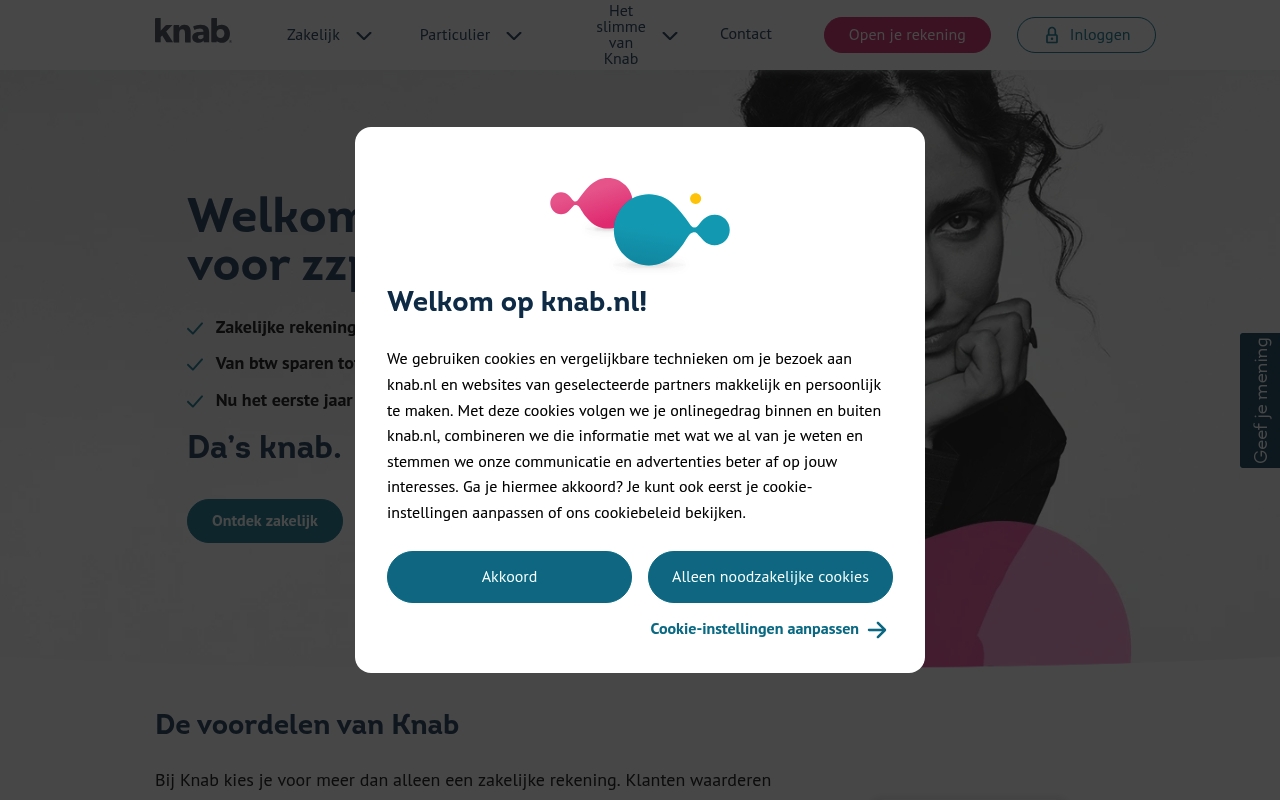
Knab is a Dutch digital bank for consumers, freelancers, and small businesses.

Pleo
Pleo🇩🇰
Est. 2015

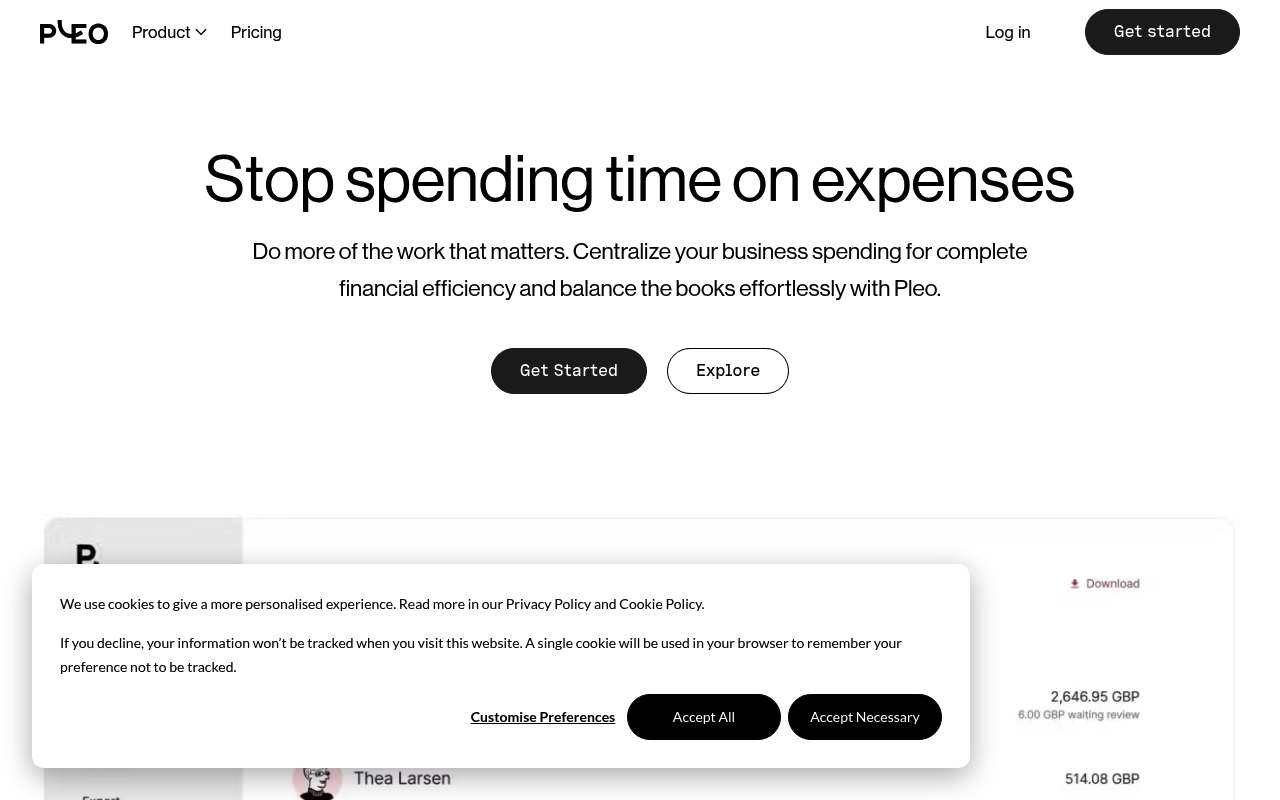
Pleo is a corporate expense management platform that treats company spending like a personal finance problem solved through software. Rather than the tedious reimbursement cycles and spreadsheet chaos of traditional corporate cards, Pleo gives employees physical and virtual cards coupled with real-time expense categorization and approval workflows that happen at the speed of a Slack message. The company positions itself as the antidote to finance teams drowning in manual reconciliation. Employees get instant card access, automatic receipt capture via smartphone, and intelligent categorization that learns spending patterns. Meanwhile, finance teams gain real-time visibility into company spending without the usual lag and friction. Pleo operates in a market where most companies still rely on legacy corporate card providers or outdated expense management software that feels bolted together from the 1990s. The Danish fintech has expanded across Europe, building a platform that combines the convenience of consumer fintech with the compliance and control requirements of enterprise finance. It's become a reference point for how embedded finance and B2B SaaS can simplify workflows that enterprises have tolerated as painful for decades. The company sits comfortably at the intersection of business banking, card issuing, and expense automation—categories that individually are crowded but rarely integrated as seamlessly.

PayFit
PayFit🇫🇷
Est. 2015

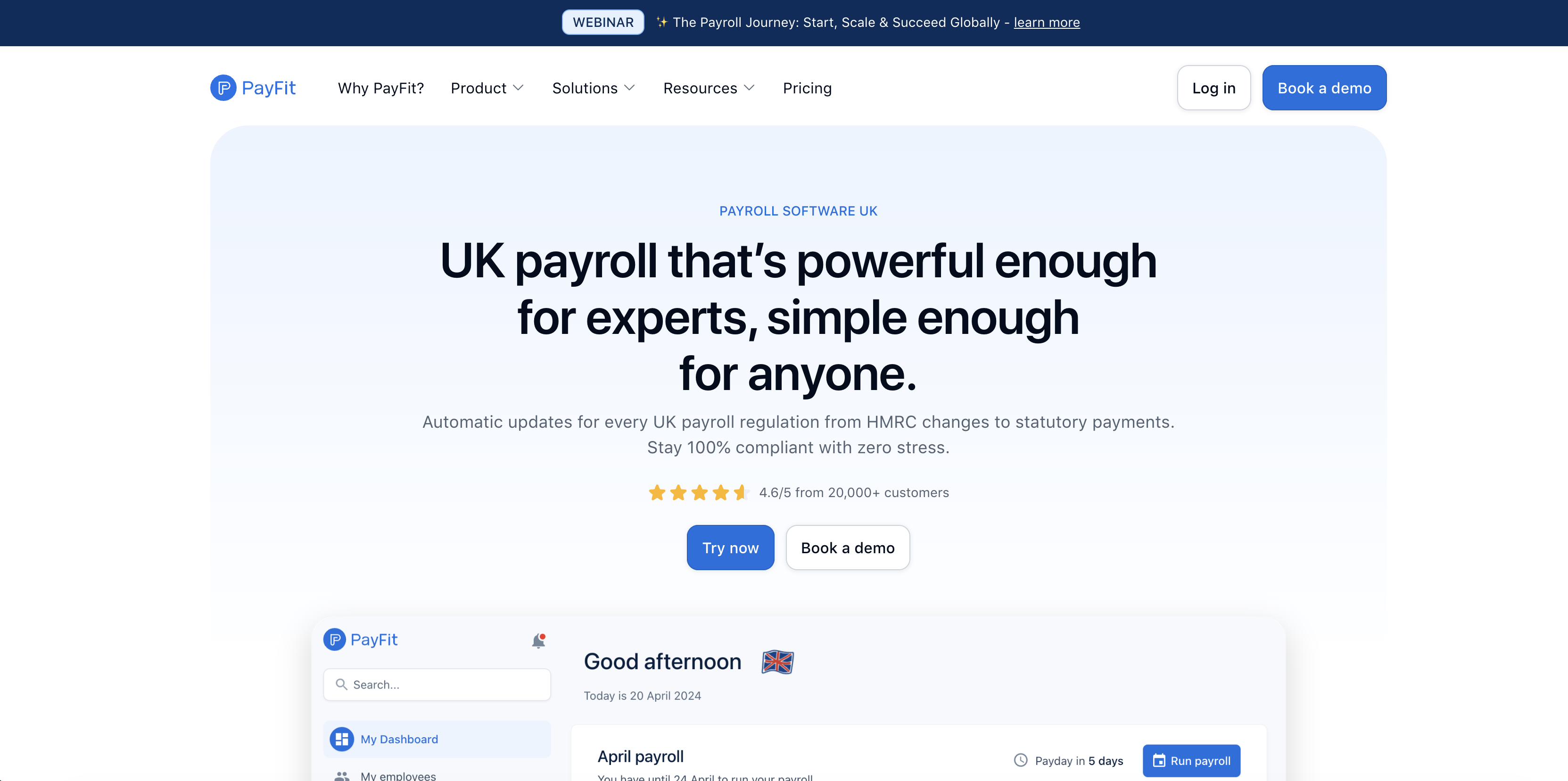
PayFit is a French payroll and HR software platform that automates the tedious work of managing employee compensation, benefits, and compliance across Europe. Founded in 2015, the company has built something genuinely useful: a system that lets mid-market companies and SMEs stop wrestling with spreadsheets and outdated payroll systems, and instead manage their entire workforce in one place. The platform handles everything from salary calculations and tax filings to expense reports and leave management—work that traditionally demanded a dedicated HR department or expensive outsourcing. What sets PayFit apart is its focus on reducing administrative friction rather than just digitizing existing processes. The interface feels designed for actual users, not consultants. It integrates with accounting software and handles the increasingly complex regulatory landscape across France, Germany, Spain, and the UK, where employment law differs wildly but payroll headaches remain universal. In Europe's fragmented payroll software market, where legacy providers still dominate through inertia, PayFit represents a generational shift toward cloud-first, mobile-friendly HR operations. The company competes less on features (though it has plenty) and more on making payroll feel like a solved problem rather than an annual migraine. It's the kind of infrastructure play that startups and growth companies build themselves around once they've used it—not flashy, but fundamentally necessary.

Raize
Raize🇵🇹
Est. 2014

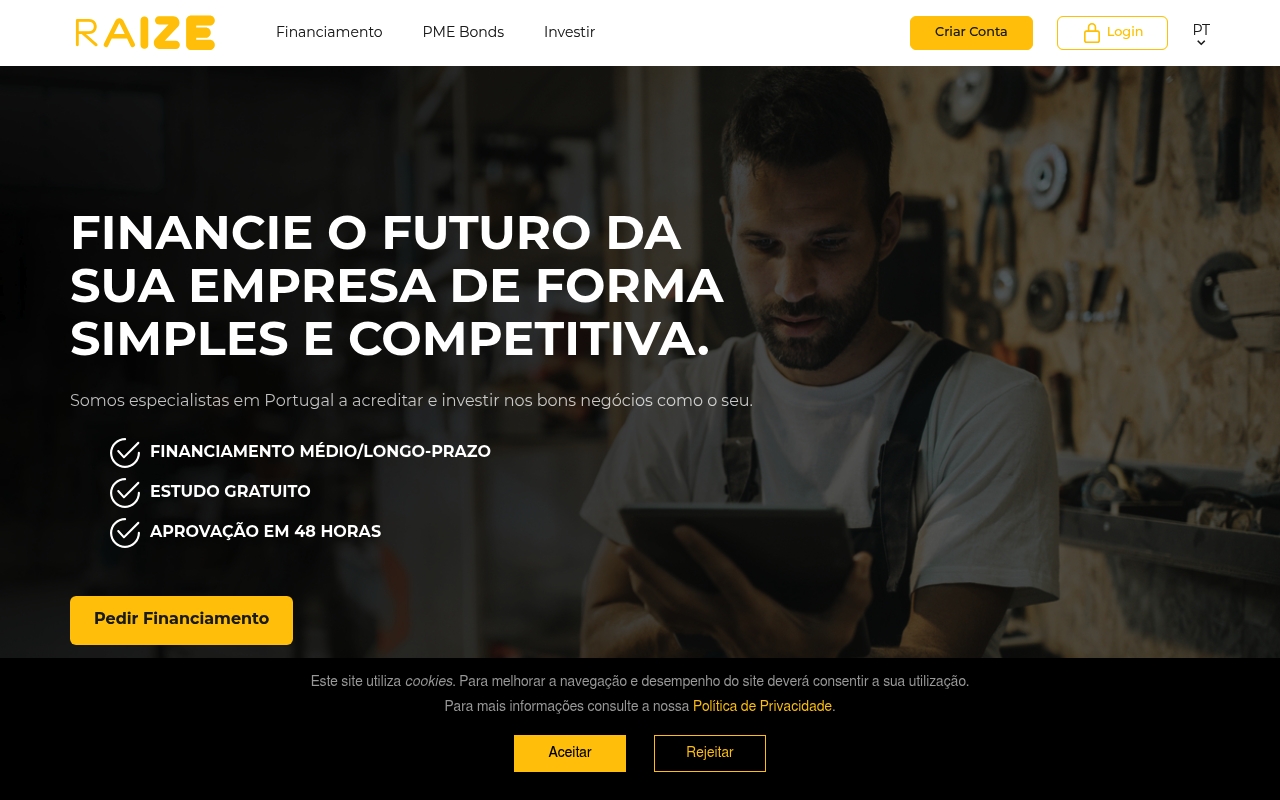
Raize operates an online lending and investment platform for Portuguese SMEs.

View all 92 SME Finance companies →