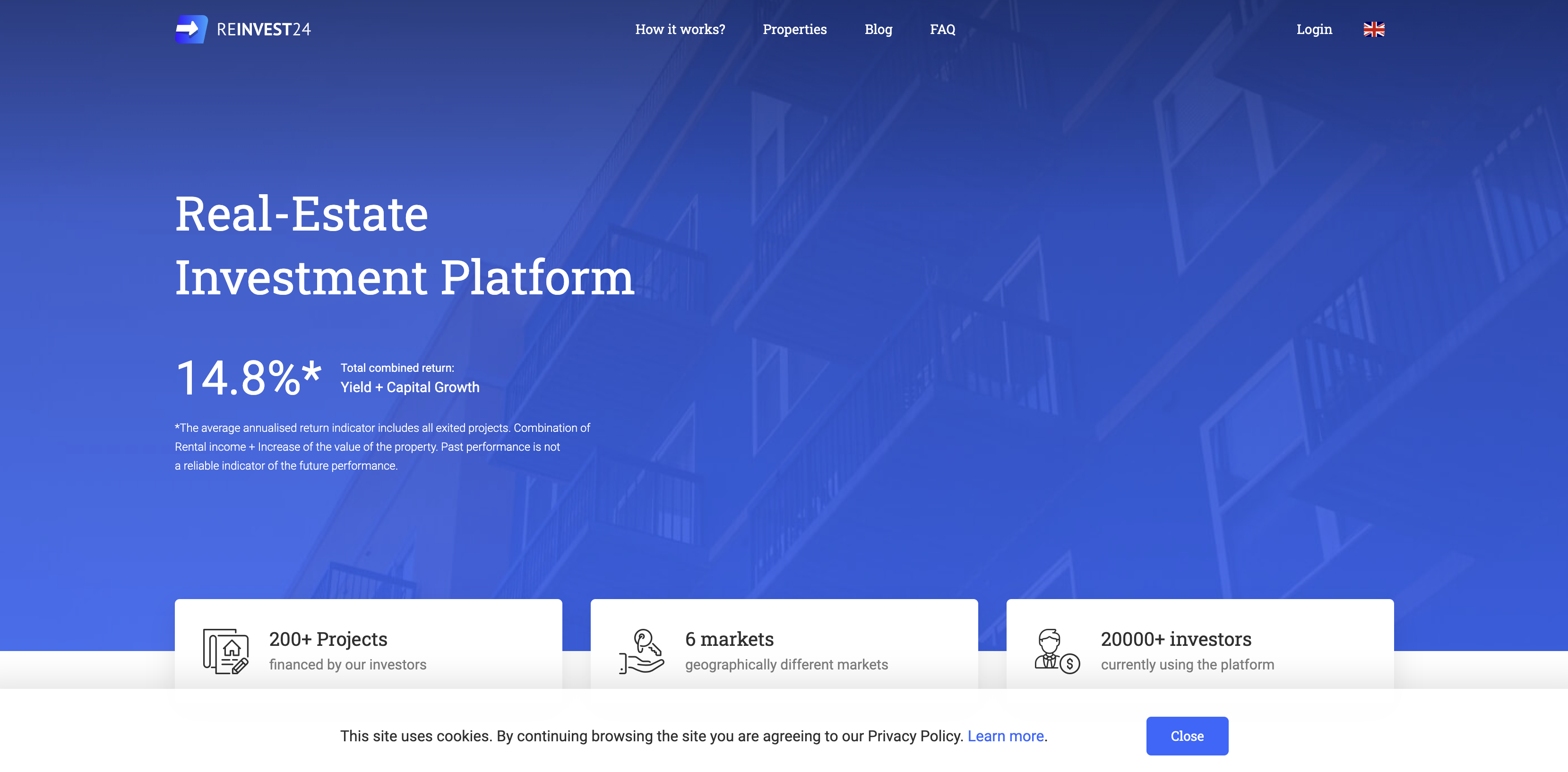
Real estate crowdfunding
Property crowdfunding platforms allow retail investors to participate in real estate investments with smaller capital amounts than direct property ownership requires. Platforms operate under the European Crowdfunding Service Provider Regulation, standardising investor protection across EU member states.
Mortgage platforms
Mortgage platforms digitise the application, underwriting, and administration of home loans. Traditional mortgage processes involve substantial paperwork, manual income verification, physical valuations, and multi-week timelines. Digital mortgage platforms use open banking data for income verification, automated valuation models for property assessment, and streamlined document workflows to reduce the time and friction of obtaining a mortgage — from weeks to days for eligible applicants.
Property lending
Property lending platforms provide debt financing secured against real estate — bridging loans, development finance, buy-to-let mortgages, and commercial property loans. Fintech property lenders have taken market share from traditional banks by offering faster decisions, more flexible criteria, and digital processes for loan applications and drawdowns. The security of property collateral makes this category accessible for alternative lenders, while the size of individual loans makes it commercially attractive.
Rental finance tools
Rental finance tools provide financial products and services designed for the rental market — tenant credit checking, deposit alternatives, rent payment tracking, and landlord financing. Deposit replacement products allow tenants to pay a small fee instead of a large upfront deposit, improving affordability. Rent reporting services enable tenants to build credit history from rent payments. Landlord finance products provide bridging loans, portfolio mortgages, and property development finance to residential and commercial landlords.
Valuation tools
Valuation tools provide automated or assisted estimates of the value of assets — properties, businesses, financial instruments, or investment portfolios. In real estate, automated valuation models (AVMs) use transaction data, property characteristics, and market trends to estimate property values without physical inspection — accelerating mortgage underwriting and property investment decisions. In finance, valuation tools help investors, lenders, and corporate finance teams assess the fair value of businesses and financial assets.