← Glossary
What is InsurTech?
InsurTech applies technology to the insurance industry — distribution, underwriting, claims management, and product design. The traditional insurance model relies on intermediaries, actuarial tables built on population-level data, slow manual claims processes, and products that have not changed substantially in decades. InsurTech companies are rebuilding parts of this using real-time data, behavioural pricing, digital distribution, and automated claims. The European insurance market is one of the world's largest, and InsurTechs have grown primarily in three directions: consumer-facing digital insurers, B2B2C embedded insurance platforms, and technology providers that sell software to incumbent insurers.
Subcategories
Embedded insurance
Embedded insurance distributes insurance products through non-insurance platforms at the point of need — flight cancellation cover at a travel booking checkout, gadget cover alongside a device purchase, or injury cover within a gig economy platform. Distribution at the point of relevance dramatically increases uptake.
Claims automation
Claims automation platforms reduce the time and cost of processing insurance claims by replacing manual assessment workflows with software. Computer vision can assess damage from photographs; rules engines can approve straightforward claims automatically; AI can flag potentially fraudulent claims for human review. Faster claims processing directly improves customer satisfaction — the moment of claiming is when insurance relationships are made or broken — while reducing the operational cost that makes insurance expensive.
Digital insurers
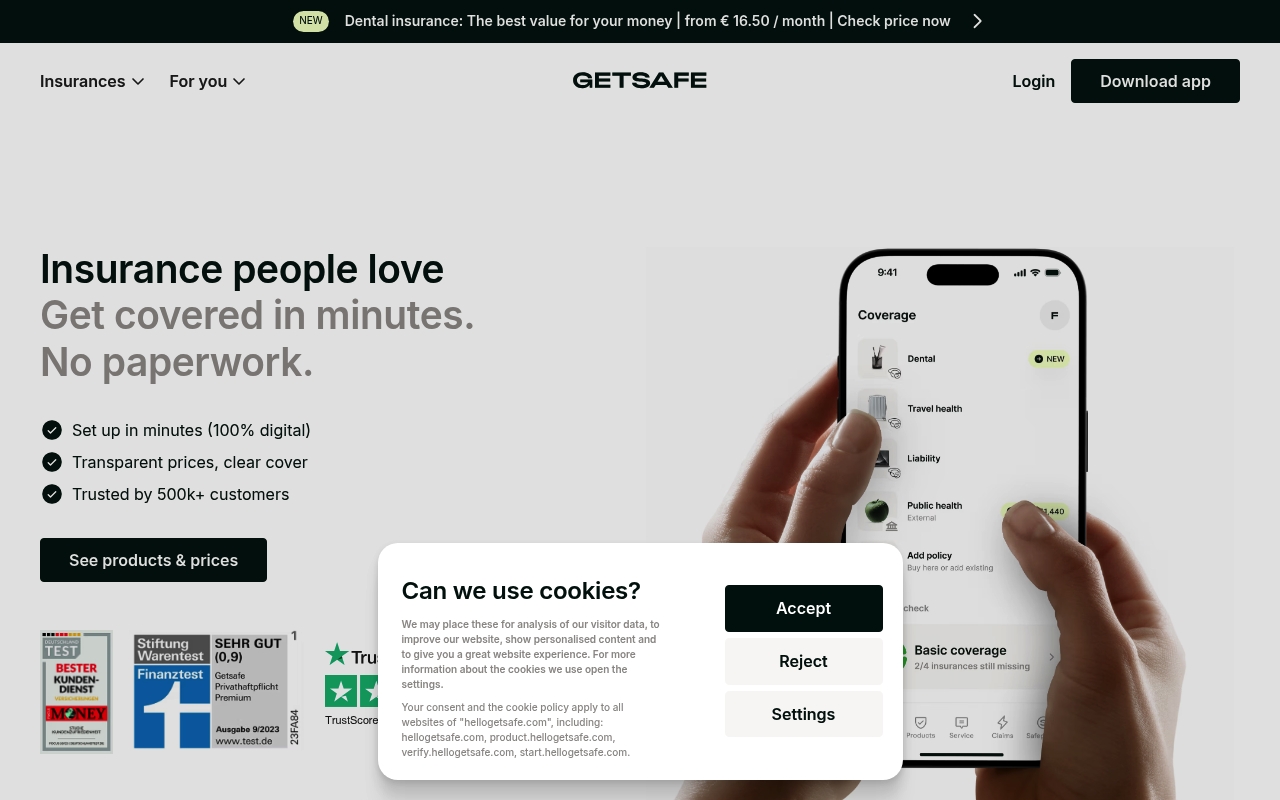
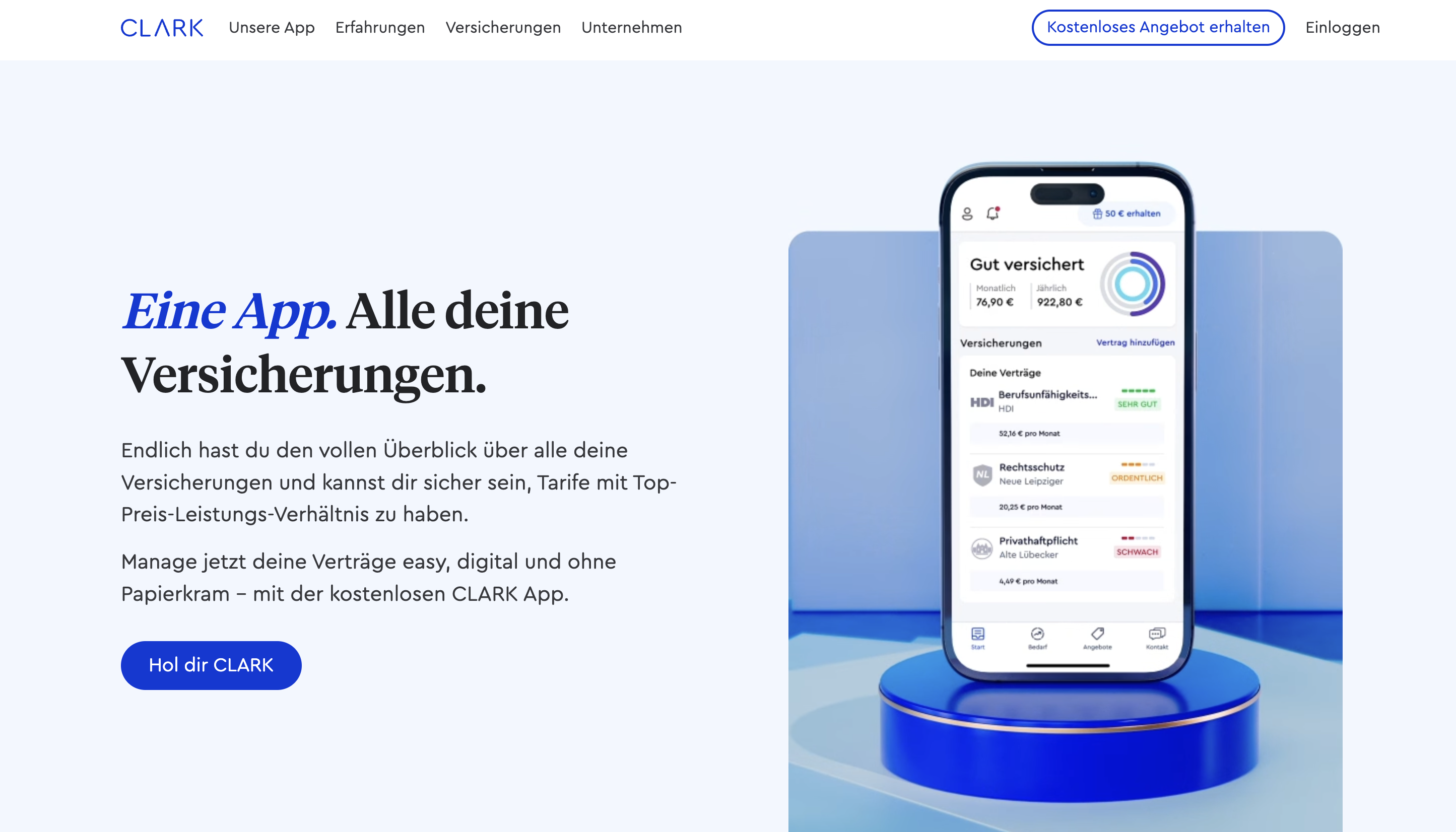
Digital insurers are insurance companies that deliver consumer insurance products — health, travel, pet, home, life, and device coverage — entirely through digital channels. The digital insurance proposition focuses on experience: faster applications, clearer pricing, transparent policy terms, and claims submitted through an app rather than by post. European digital insurers like Wefox, Clark, and Getsafe have grown by offering a product experience that traditional insurers have been slow to match.
Policy management
Policy management platforms help financial institutions and regulated businesses create, maintain, distribute, and evidence compliance with internal policies — acceptable use policies, risk appetite statements, AML procedures, and operational guidelines. As regulatory requirements multiply, keeping policies current, accessible, and auditably acknowledged by relevant staff has become a compliance function in its own right. Automated policy management reduces the risk of outdated procedures and undocumented compliance failures.
Underwriting AI
Underwriting AI applies machine learning and artificial intelligence to the process of assessing risk and pricing financial products — loans, insurance policies, and investment products. Traditional underwriting relied on actuarial tables and rules-based credit scoring. AI underwriting uses broader data sets, more complex pattern recognition, and continuous model improvement to make more accurate risk assessments, particularly for borrowers and policyholders whose risk profiles don't fit neatly into traditional categories.